Basic Information
Classification:
Saturated Alcohol
Type:
2°(Secondary Alcohol)
Capacity:
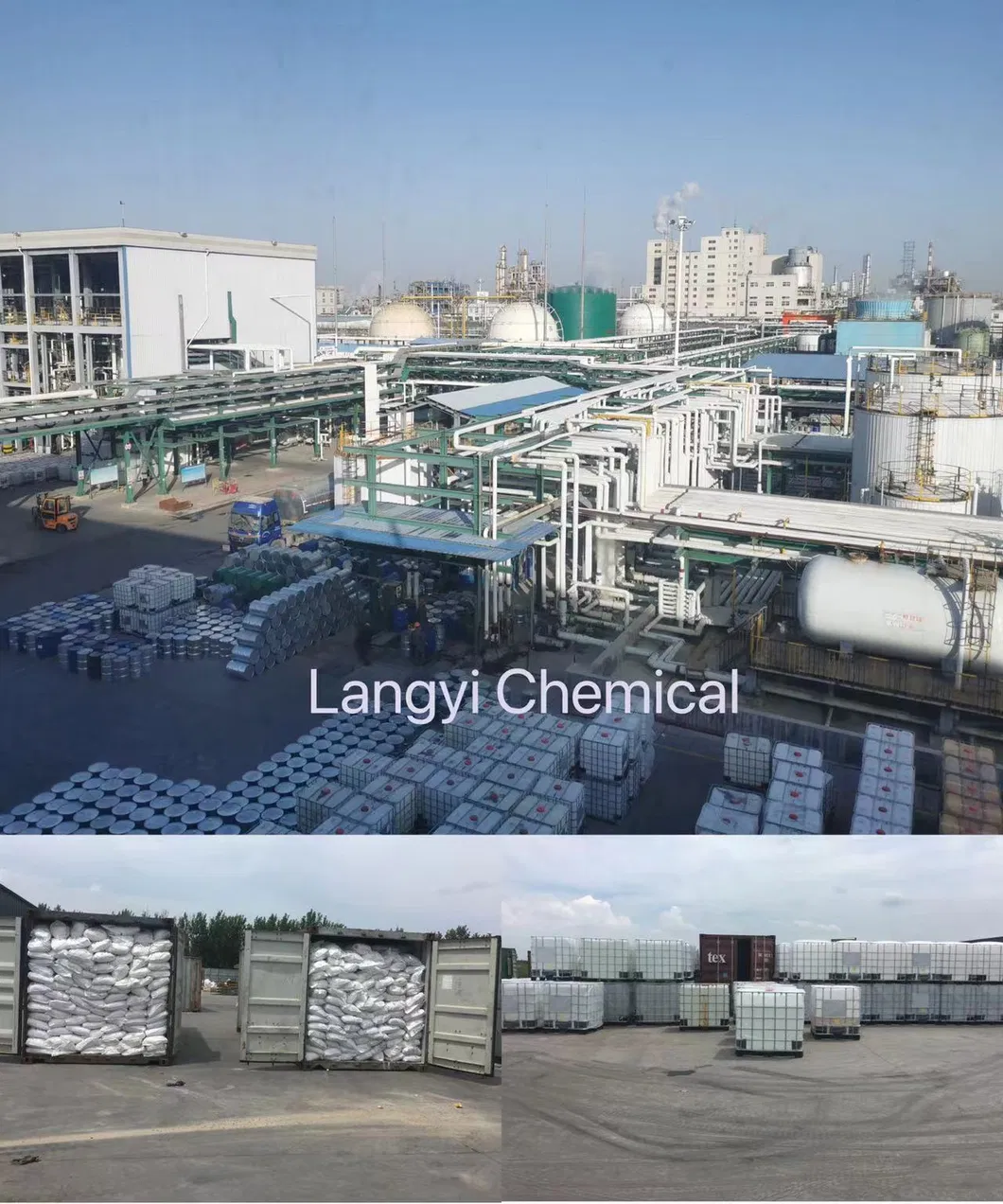
10000mt Per Month
Product Description
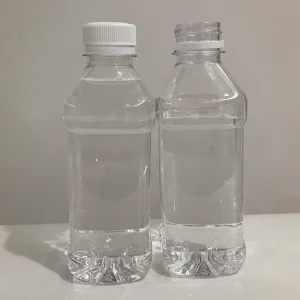
Isopropyl alcohol (IUPAC name propan-2-ol and also called isopropanol or 2-propanol) is a colorless, flammable chemical compound (chemical formula CH3CHOHCH3) with a strong odor. As an isopropyl group linked to a hydroxyl group, it is the simplest example of a secondary alcohol, where the alcohol carbon atom is attached to two other carbon atoms. It is a structural isomer of 1-propanol and ethyl methyl ether.
Key Chemical Data:
• CAS: 67-63-0
• Chemical Formula: C3H8O
• EC-No.: 200-661-7
• Grade Standard: Tech Grade
It is used in the manufacture of a wide variety of industrial and household chemicals and is a common ingredient in chemicals such as antiseptics, disinfectants, and detergents. Isopropyl alcohol is miscible in water, ethanol, ether, and chloroform. It dissolves ethyl cellulose, polyvinyl butyral, many oils, alkaloids, gums and natural resins.
Packing & Logistics
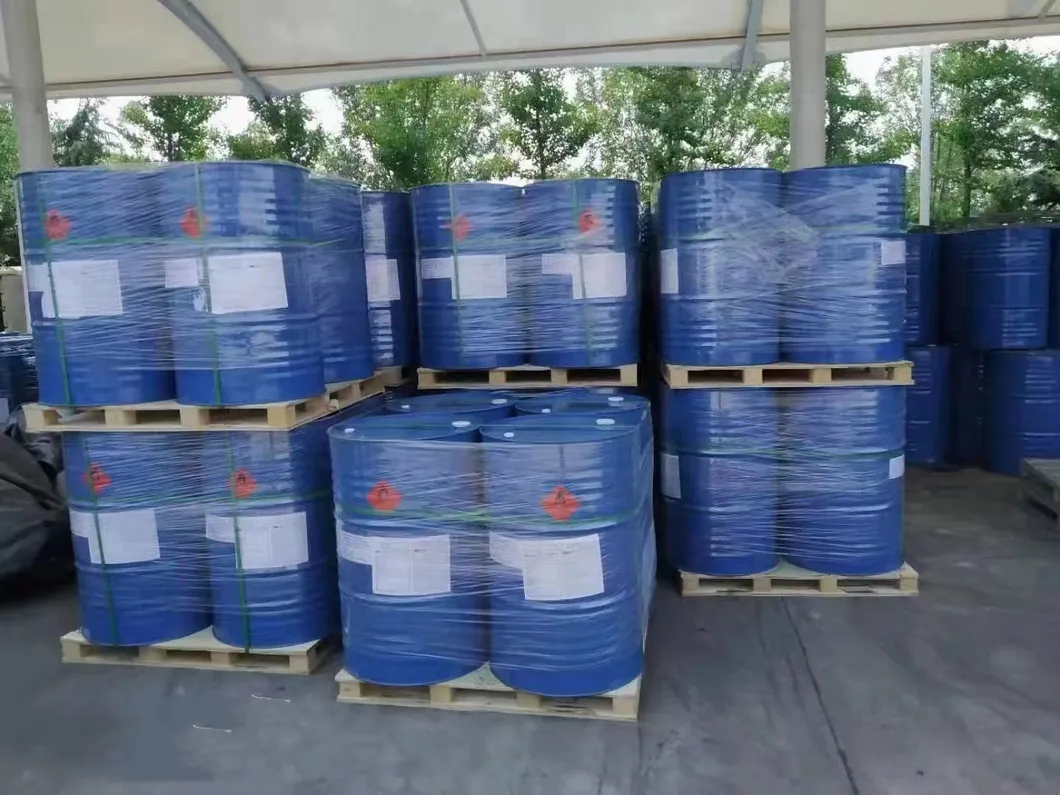
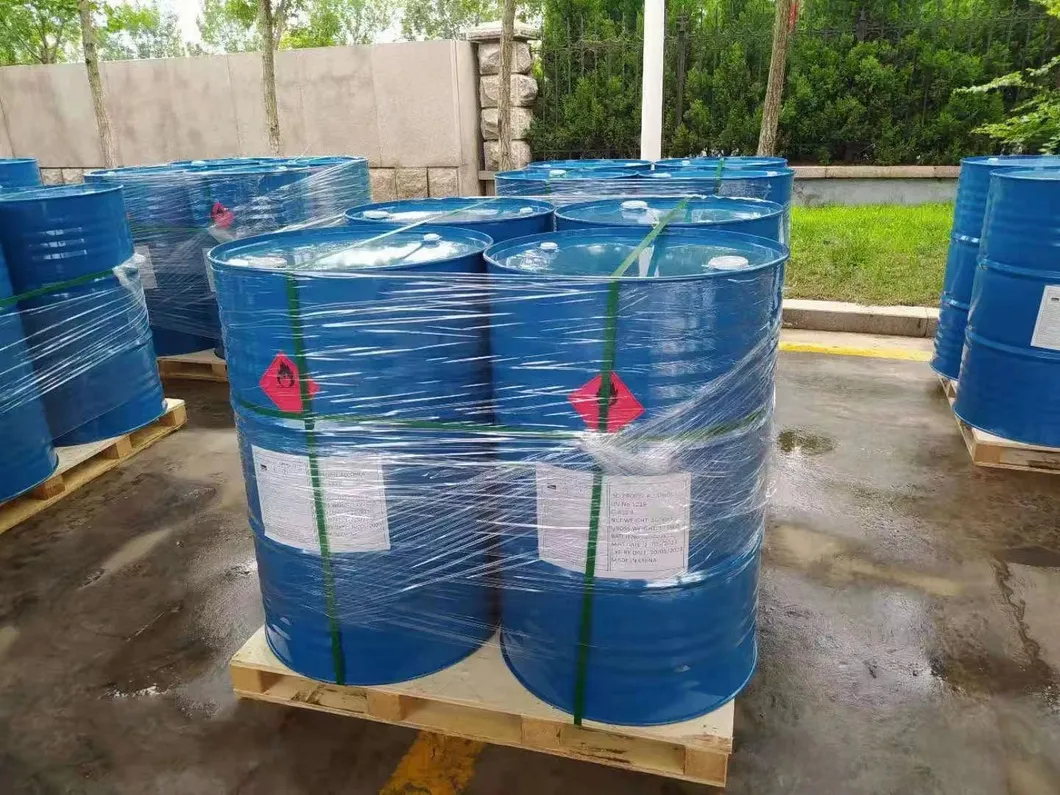
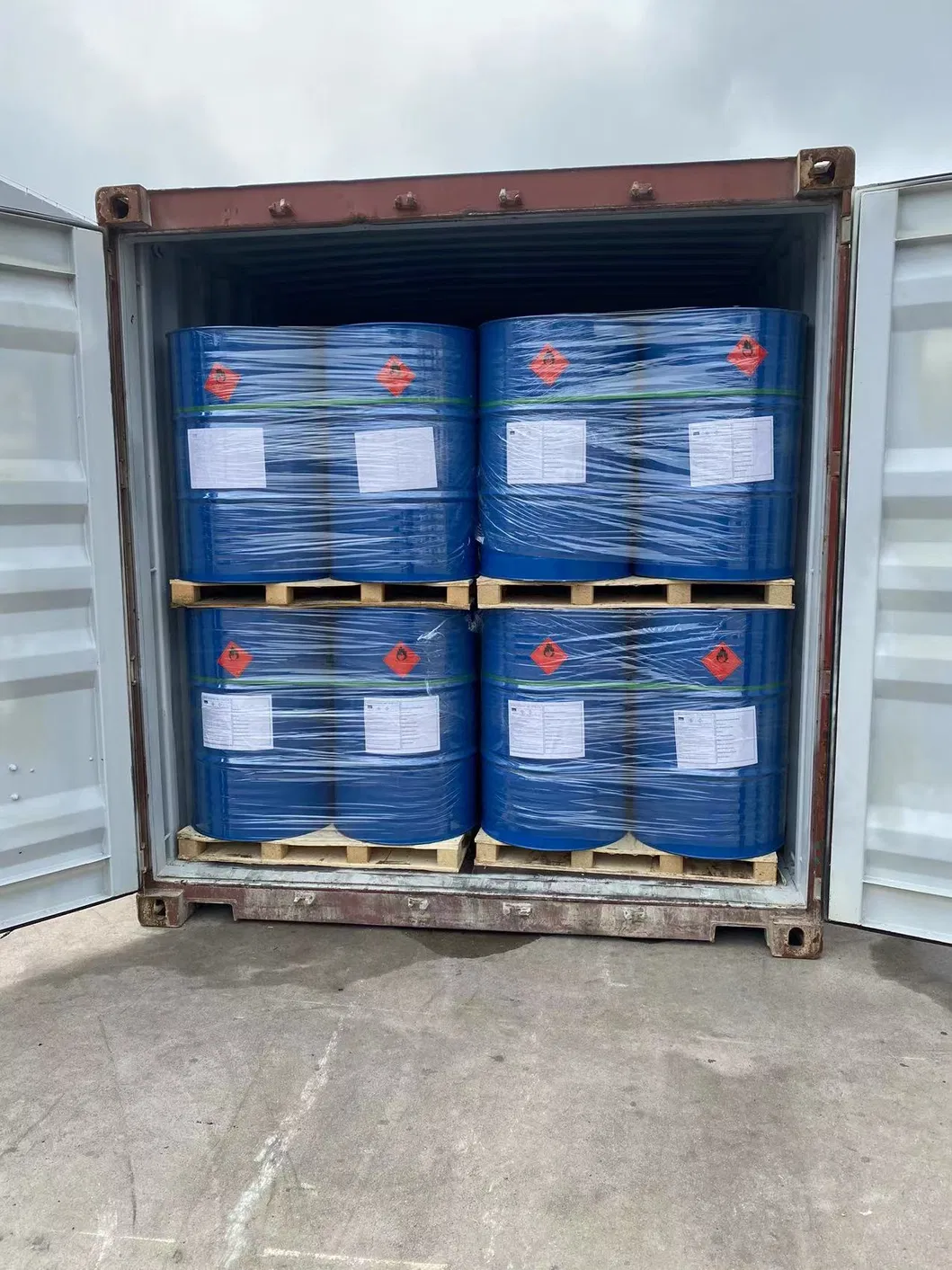
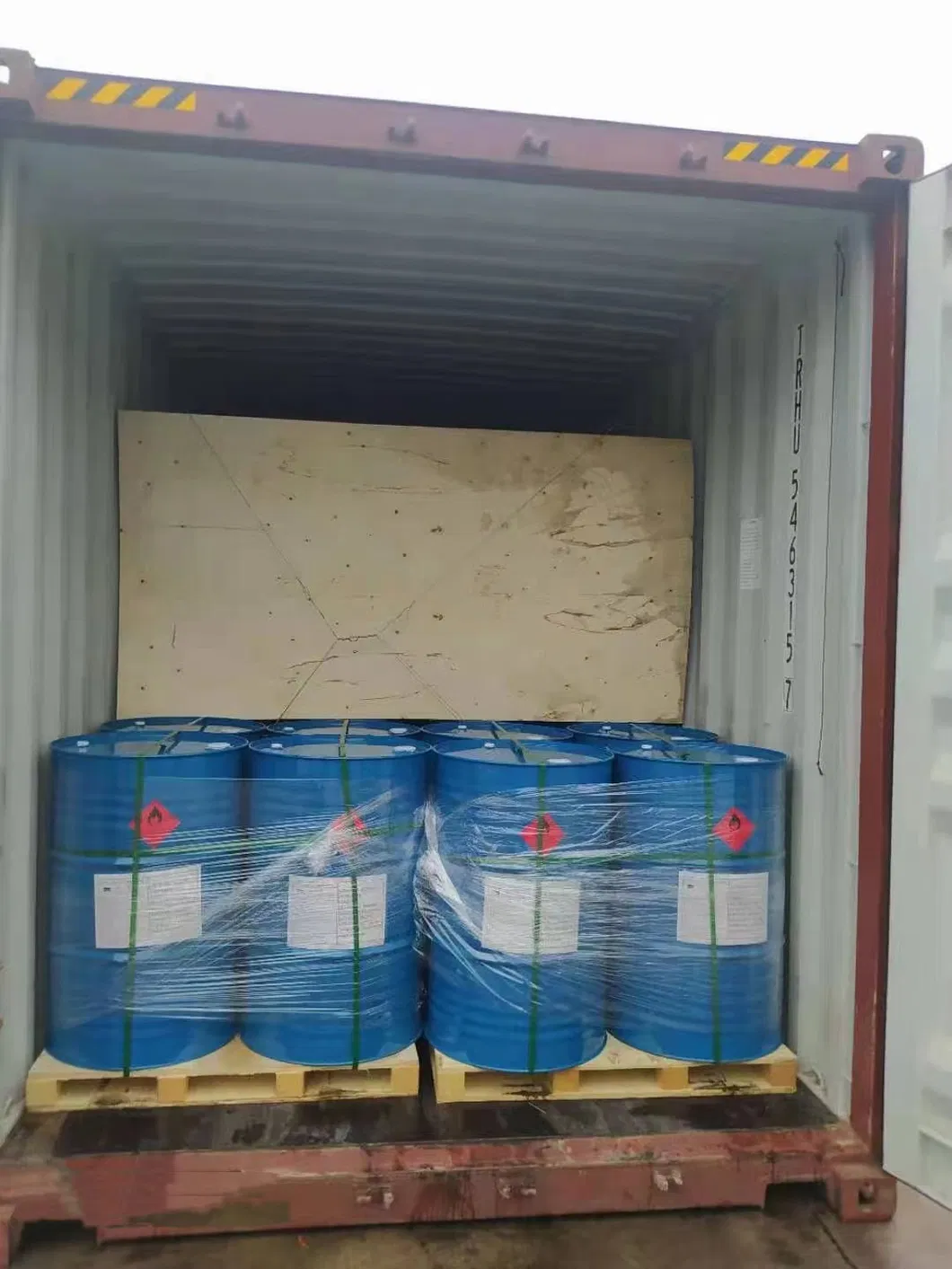
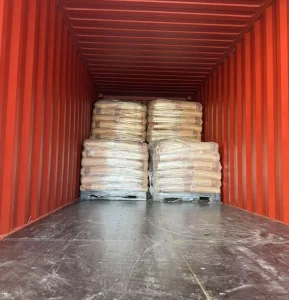
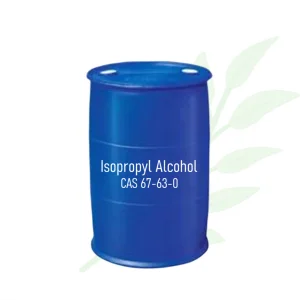
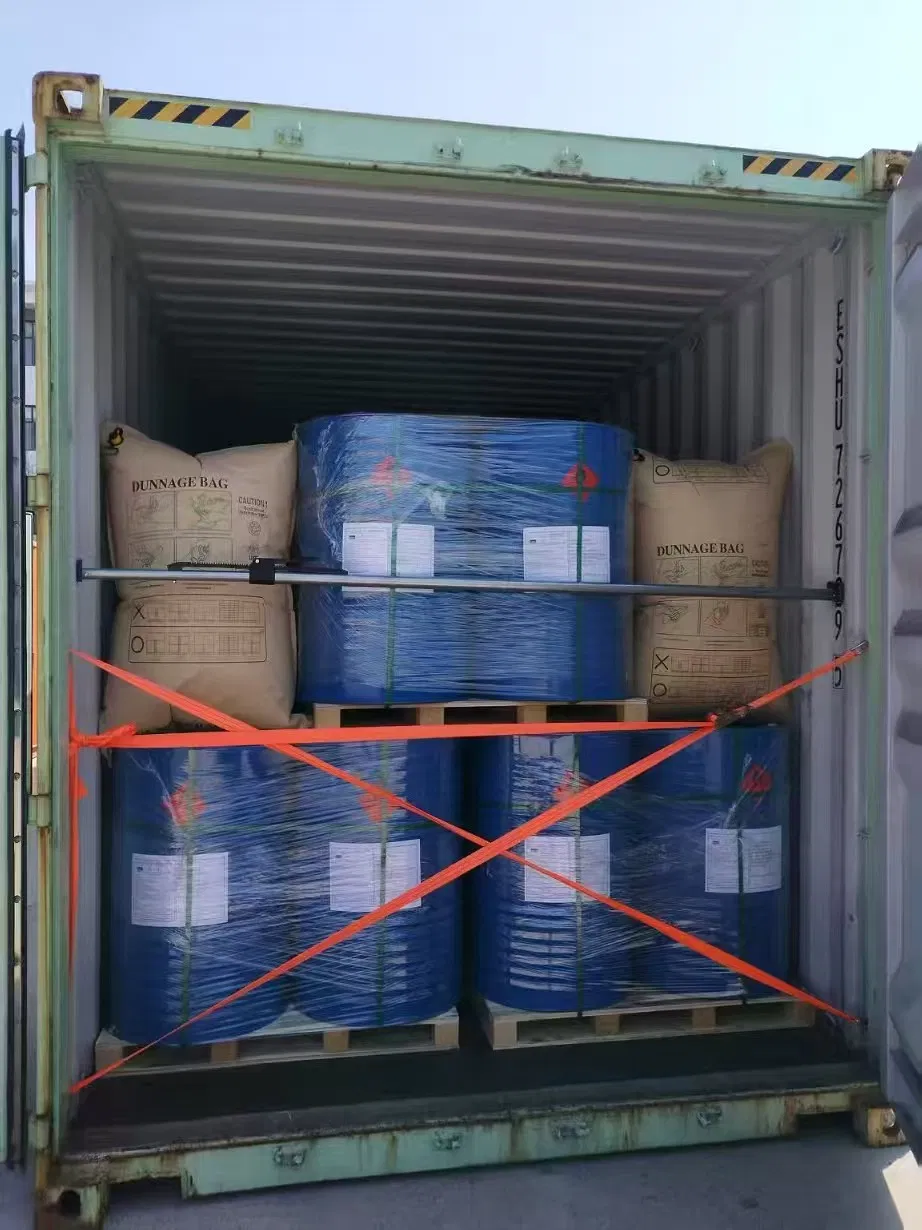
• 160kg/steel drum | 80drums/20ft | 12.8mts/20ft (with or without pallets)
• 160kg/steel drum | 152drums/40ft | 24.32mts/40ft (without pallets)
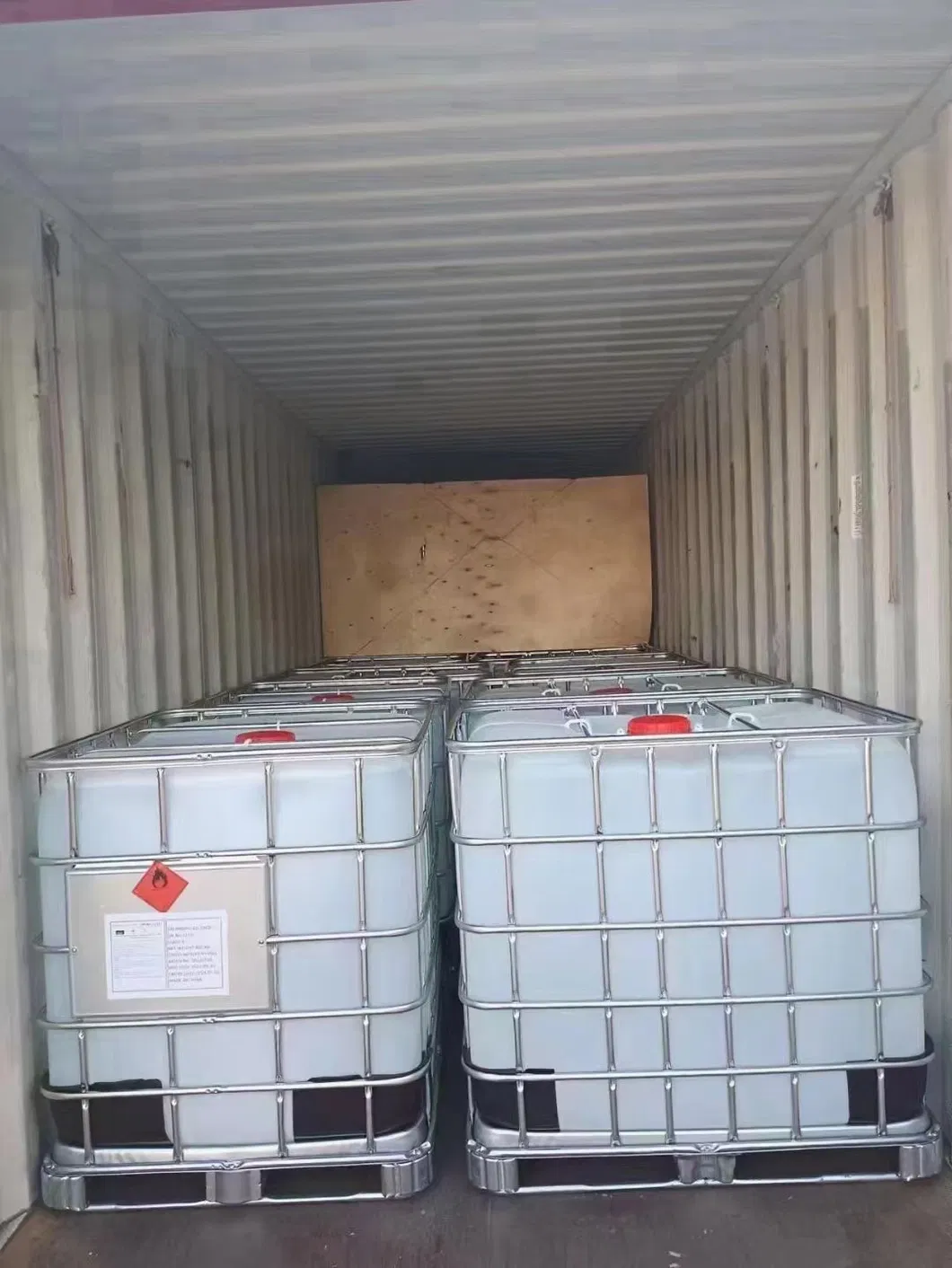
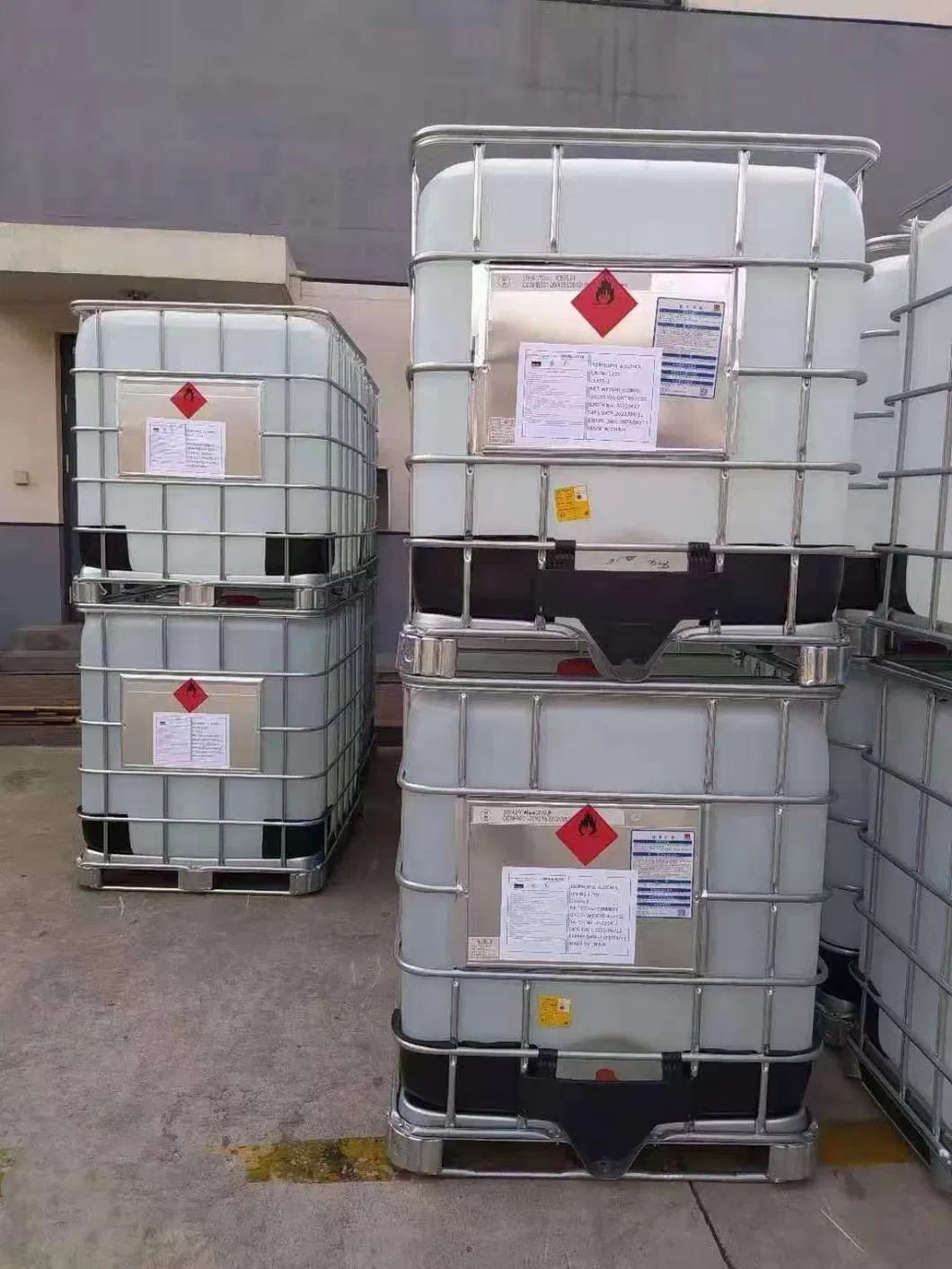
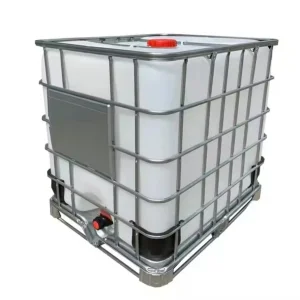
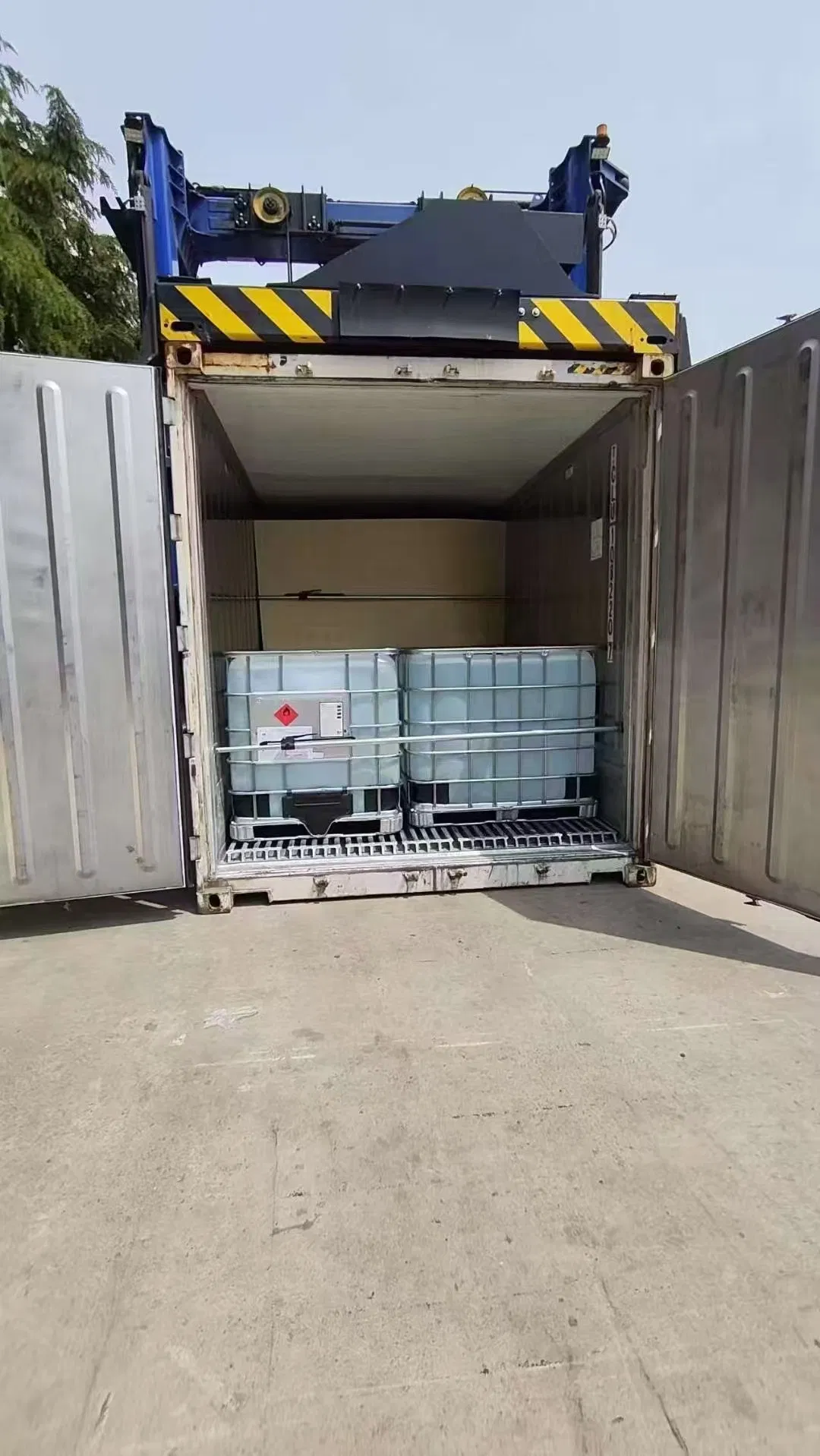
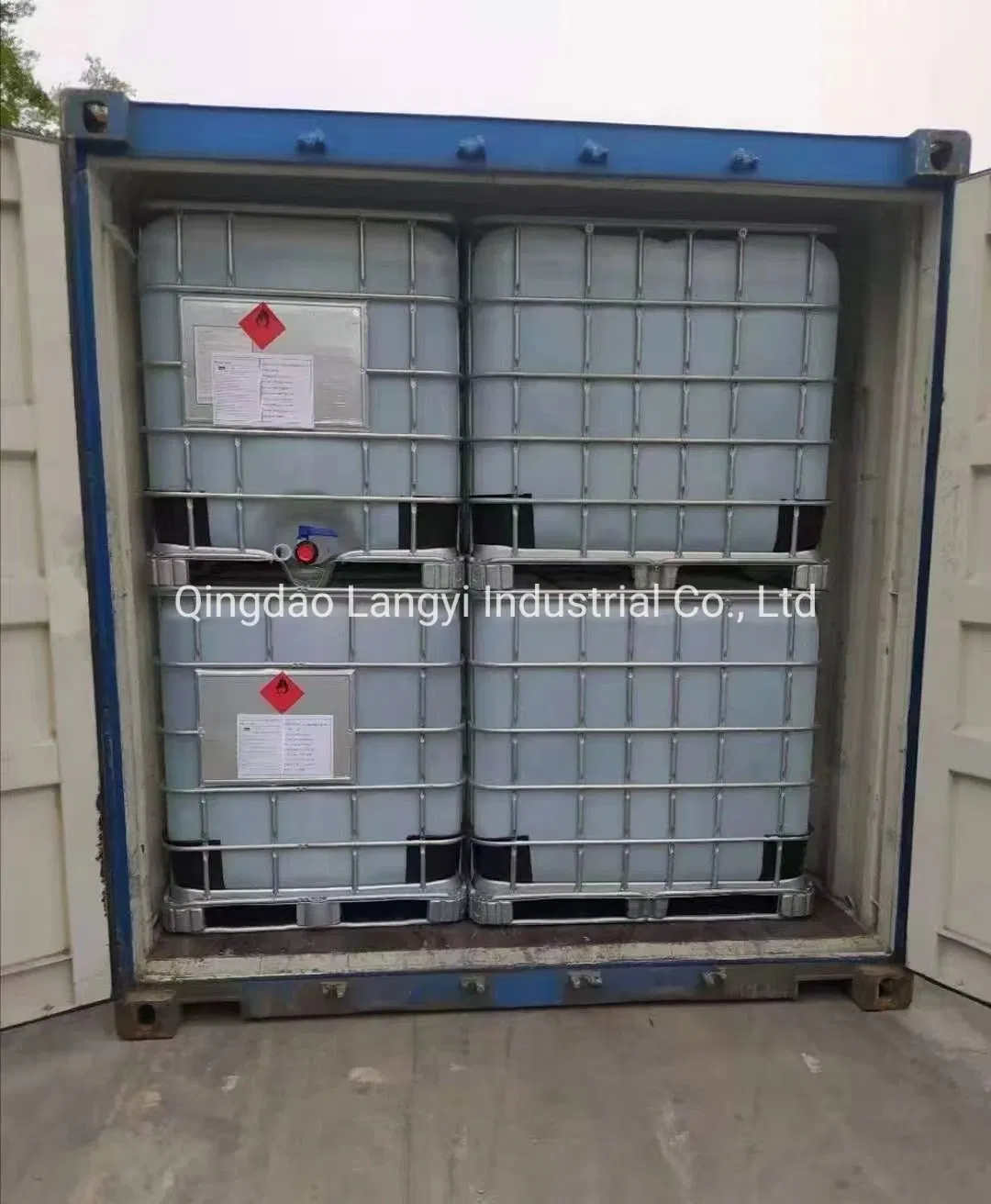
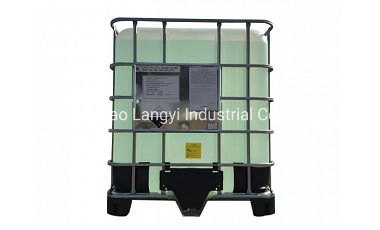
• 800kg/IBC | 20IBC | 16mts/20ft
• 800kg/IBC | 32IBC | 25.6mts/40ft
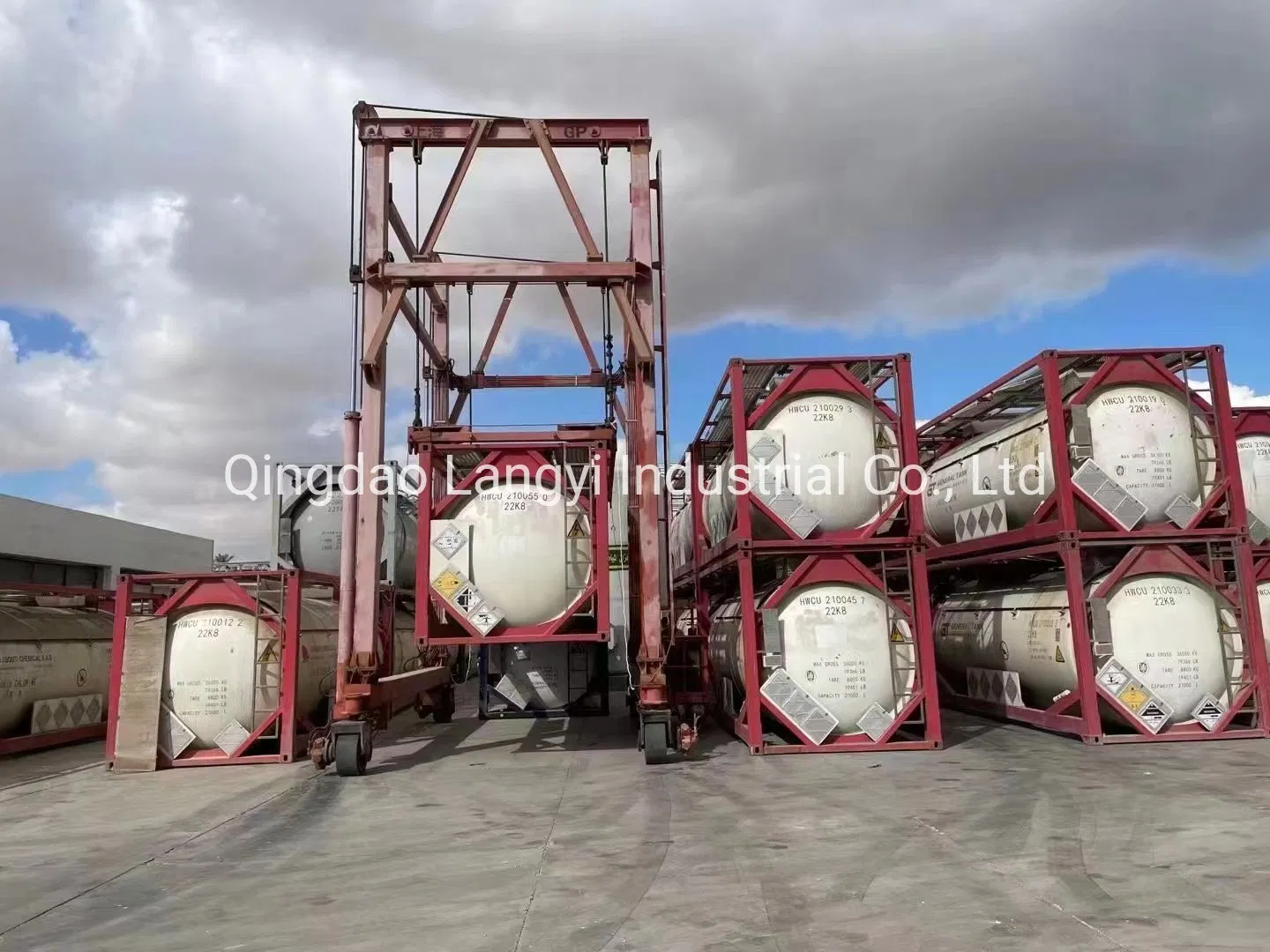
• 18.5mts/ISO TANK
Main Applications
Intermediate
Isopropyl alcohol is esterified to give isopropyl acetate, another solvent. It reacts with carbon disulfide and sodium hydroxide to give sodium isopropylxanthate, a herbicide and an ore flotation reagent. It also serves as a chemical reagent by acting as a dihydrogen donor in transfer hydrogenation.
Medical Use
Rubbing alcohol, hand sanitizer, and disinfecting pads typically contain a 60-70% solution of isopropyl alcohol. It is used as a water-drying aid for the prevention of otitis externa (swimmer's ear).
Automotive
A major ingredient in "gas dryer" fuel additives. It solubilizes water in gasoline to prevent freezing in supply lines. Also used in windshield deicers and for removing brake fluid traces from hydraulic systems.
Laboratory
Used as a non-toxic alternative to formaldehyde for preserving biological specimens (70-99% solutions). It is essential in DNA extraction as DNA is insoluble in isopropyl alcohol, allowing it to precipitate.
Specifications & Typical Analysis
| Item |
Specification |
Result |
| Appearance | Colorless clarity liquid | Pass |
| Purity (%) | 99.9 min | 99.90 |
| Color (Hazen) | 10 max | 5 |
| Water content (%) | 0.05 max | 0.04 |
| Acidity (as Acetic Acid) (%) | 0.002 max | 0.0010 |
| Density at 20 ºC (g/cm³) | 0.784-0.786 | 0.7851 |
| Evaporation residue (%) | 0.002 max | 0.0008 |
| Carbonyl value (%) | 0.02 max | 0.0028 |
| Sulfide content (mg/kg) | 2 max | 0.3 |
| Water soluble experiment | Pass | Pass |
Frequently Asked Questions
What is the purity level of this Isopropyl Alcohol?
Our Isopropyl Alcohol is of technical grade with a minimum purity of 99.9%, ensuring high efficiency for industrial and laboratory applications.
Can Isopropyl Alcohol be mixed with water?
Yes, Isopropyl Alcohol is completely miscible in water. However, it can be separated from aqueous solutions by adding a salt, such as sodium chloride, in a process known as "salting out."
What are the standard packaging options available?
Standard packaging includes 160kg steel drums, 800kg IBC tanks, and 18.5mt ISO tanks to accommodate different shipping and volume requirements.
What is the CAS number for Isopropyl Alcohol?
The CAS Registry Number for Isopropyl Alcohol is 67-63-0.
What are the main industrial uses of Isopropyl Alcohol?
It is widely used as a solvent for oils and resins, an intermediate in chemical synthesis, a major component in disinfectants and hand sanitizers, and an additive in automotive fuel systems.
How should Isopropyl Alcohol be stored?
As it is a highly flammable liquid, it should be stored in a cool, well-ventilated area away from heat, sparks, open flames, or other sources of ignition.
 Nordi Medical