Nordi Medical
Nordi Medical
Nordi Medical
In operating theaters worldwide, surgical sponge rolls constitute a foundational element for fluid management, wound protection, and patient safety. Selecting the correct manufacturer dictates not only surgical efficiency but also infection control outcomes.
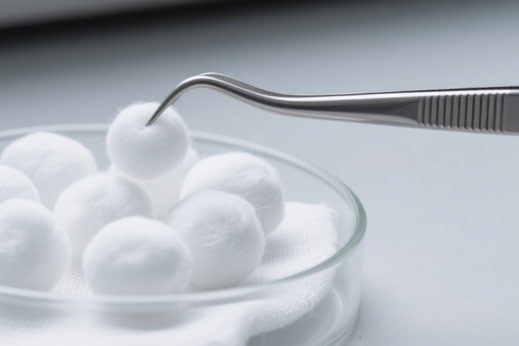
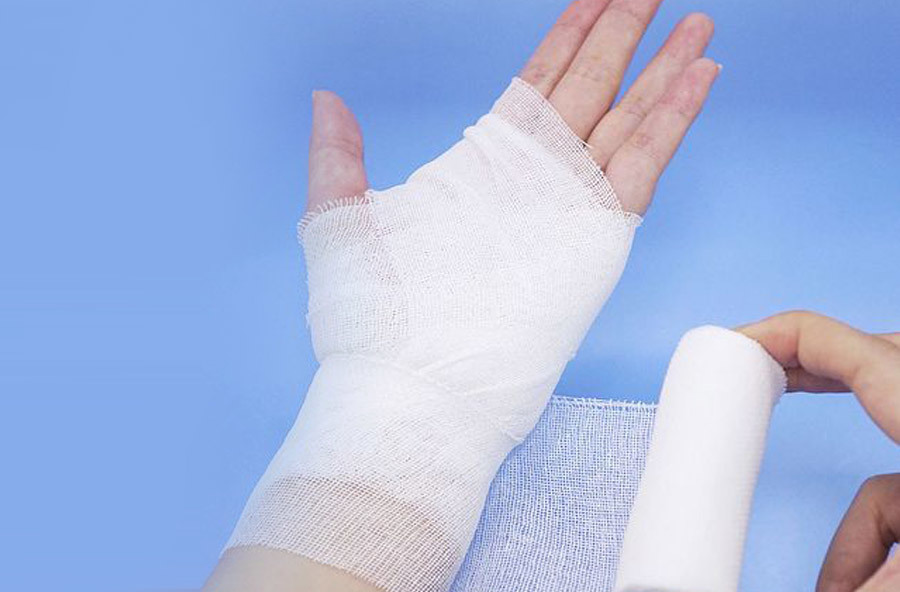
Surgical sponge rolls (often manufactured from medical-grade cotton gauze or non-woven structures) are critical in managing intraoperative exudates, blood loss, and biological fluid extraction during high-stakes invasive procedures. The performance of these devices is measured by absorption speed, liquid retention capacity, biocompatibility, and low lint release profile. Standardized quality metrics, including ISO 13485 alignment, EN 14079 gauze standards, and FDA registries, distinguish top-tier manufacturing entities from general textile processors.
Procuring organizations must look beyond basic unit economics. They must scrutinize the raw material procurement chains, chemical residue profiles (such as the absence of fluorescent optical brighteners), and structural integrity of the spun yarns. In laparoscopic and open cardiothoracic surgeries, even minimal linting can lead to granulomatous reactions or vascular complications, elevating the necessity of choosing verified, premium manufacturers.
Top-tier suppliers utilize proprietary Ethylene Oxide (EO) cycles or E-Beam irradiation to guarantee a Sterility Assurance Level (SAL) of 10^-6, documented via parametric release protocols.
For intraoperative safety, global leaders weave a barium sulfate line (containing 60%+ BaSO4) directly into the gauze structure, ensuring visible contrast under radiologic scans.
Sourcing strictly 100% natural, bleached combed cotton that meets EP, USP, and JP requirements for low acidity, zero residue, and surface-active agents.
Hangzhou Nordi Medical Co., Ltd. was established in 1992 and is a leading manufacturer and exporter specializing in the production of high-quality medical dressings and related healthcare products. With a registered capital of 5.8 million yuan, the company has grown to become a prominent player in the medical industry, providing a wide range of innovative solutions to global markets.
At Nordi, we are committed to upholding the principle of “Quality First, Customer First” in every aspect of our operations. Our products are renowned for their outstanding quality, which has earned us a solid reputation and trust from our clients worldwide. This commitment to quality forms the foundation for our sustainable growth and continued development in the global market. Our products are widely distributed across major markets, including North America, Europe, Southeast Asia, and beyond.
Since our establishment, we have continuously advanced our technology by incorporating both domestic and international innovations. We actively invest in training and development for our technical staff to ensure that our teams are equipped with the expertise needed to drive innovation and excellence. Our business philosophy is centered around continuous improvement and operational efficiency. We have established a robust management system that guarantees high standards in all aspects of production and customer service.
Nordi Medical places a significant emphasis on technological advancements and the continuous upgrading of our production equipment. By focusing on the finer details of the manufacturing process, we have achieved breakthroughs in product development, ensuring that we remain at the forefront of the medical supply industry. With a clear vision for the future, we are building a strong, sustainable business model that aligns with industry standards and market demand.
Over the years, we have expanded from a small workshop with an annual output value of just 2 million yuan and an area of 1,000 square meters into a large-scale, standardized production and marketing enterprise. Today, we operate a modern facility that is capable of meeting the demands of a global market, ensuring high-quality products and fast delivery times.
Our unwavering belief in "Quality First, Customer First" guides our every decision and action. This principle is deeply ingrained in the fabric of our company and has been key to our long-term success.
Quality control is at the heart of everything we do. We adhere to strict quality management systems to ensure that our products meet the highest international standards. This commitment to quality is essential to our continued success and growth.
Innovation drives our future. At Hangzhou Nordi Medical, we embrace change and strive to lead in the development of new products and technologies. We are dedicated to staying ahead of industry trends and continually evolving to meet the diverse needs of our customers.
Looking forward, Hangzhou Nordi Medical Co., Ltd. aims to further expand its global presence by increasing its production capabilities and advancing its technological capabilities. With the support of our talented workforce, loyal customers, and forward-thinking management, we are confident that we will continue to thrive in the competitive international medical product market. Our mission is to provide effective, reliable, and innovative healthcare solutions that improve lives around the world.
China's medical grade textile sector operates under a mature ecosystem that integrates raw cotton farming, specialized spinning, automated weaving, and modern sterilization infrastructures.
The global dominance of Chinese manufacturers in the surgical sponge rolls and medical dressings market is built on three pillars: industrial integration, regulatory agility, and cutting-edge processing technology.
Leading Chinese hubs leverage localized raw material ecosystems. Access to premium long-staple cotton allows factories to spin yarns that balance tensile strength with softness. This integration minimizes shipping delays of unprocessed materials and allows for strict quality oversight from the harvest field to the cleanroom, reducing contamination risks before the bleaching process starts.
Modern Chinese facilities are designed with Class 100,000 cleanrooms in compliance with ISO 14644-1. Automation in cutting, rolling, and packaging minimizes human contact, keeping bioburden levels low. This technological infrastructure helps global distributors meet strict pre-sterilization bioburden limits (typically under 100 CFU per gram) required by European and US notified bodies.
Chinese manufacturers maintain cost-efficient production models through optimized energy infrastructure, automated high-speed water-jet weaving looms, and integrated logistics systems. High volume output reduces costs per unit, enabling large hospital networks and global distributors to optimize their margins without compromising on international safety standards.
When executing high-volume procurement contracts for surgical sponge rolls, technical directors must evaluate five key variables:
Surgical sponge rolls are utilized differently depending on regional medical standards and procedures:
The medical consumable market is shifting from basic absorbent structures to functional materials. Our R&D tracking identifies three primary technological developments that are changing how surgical dressing suppliers optimize their products:
With hospitals committing to net-zero waste policies, there is rising demand for biodegradable surgical sponge rolls made from sustainable fibers. Organic cotton and PLA (Polylactic Acid) blends are replacing traditional synthetics, maintaining fluid retention while reducing the carbon footprint of medical incineration.
To reduce the occurrence of retained surgical sponges, companies are embedding microscopic RFID tags into premium sponge rolls. These smart tags are designed to withstand autoclaving and high levels of moisture, allowing scanners to confirm all sponges are accounted for before closing a surgical site.
Next-generation rolls feature functional finishes like chitosan or medical-grade honey. These substances provide active antimicrobial protection and encourage clot formation, helping to control localized hemorrhaging and reduce recovery times.