Nordi Medical
Nordi Medical
Nordi Medical
In the contemporary healthcare ecosystem, the management of infectious waste is not merely a logistical necessity but a critical pillar of public safety. As leading biohazard bags manufacturers, the focus has shifted from simple containment to high-performance barrier technology. Biohazard bags, typically identified by their vibrant red or yellow hues and the universal biohazard symbol, are engineered to withstand extreme conditions, including sterilization temperatures and high-impact transport.
The global demand for reliable medical waste management has surged, driven by stricter environmental regulations and a heightened focus on E-E-A-T (Experience, Expertise, Authoritativeness, and Trustworthiness) in medical supply chains. Quality-conscious factories now integrate Linear Low-Density Polyethylene (LLDPE) and High-Density Polyethylene (HDPE) to ensure maximum puncture resistance and leak-proof integrity.
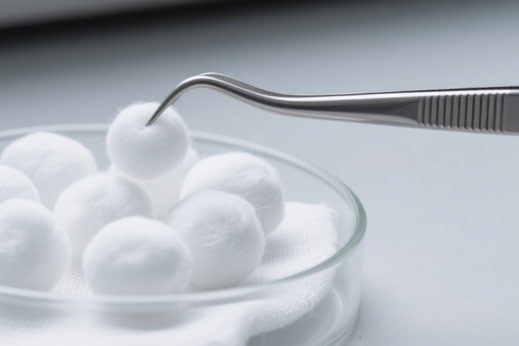
Established in 1992, Hangzhou Nordi Medical Co., Ltd. represents the pinnacle of Chinese medical manufacturing. With over three decades of evolution, we have transitioned from a localized workshop to a global leader in medical dressings and waste management solutions.
Our unwavering belief in "Quality First, Customer First" guides our every decision. This principle is deeply ingrained in our DNA and is the key to our long-term success in the competitive global market.
Adhering to strict international management systems (ISO/FDA), we ensure every biohazard bag and medical dressing meets the rigorous standards required for surgical and clinical environments.
Innovation drives our future. We actively incorporate domestic and international technological advancements to lead in the development of next-generation medical consumables.
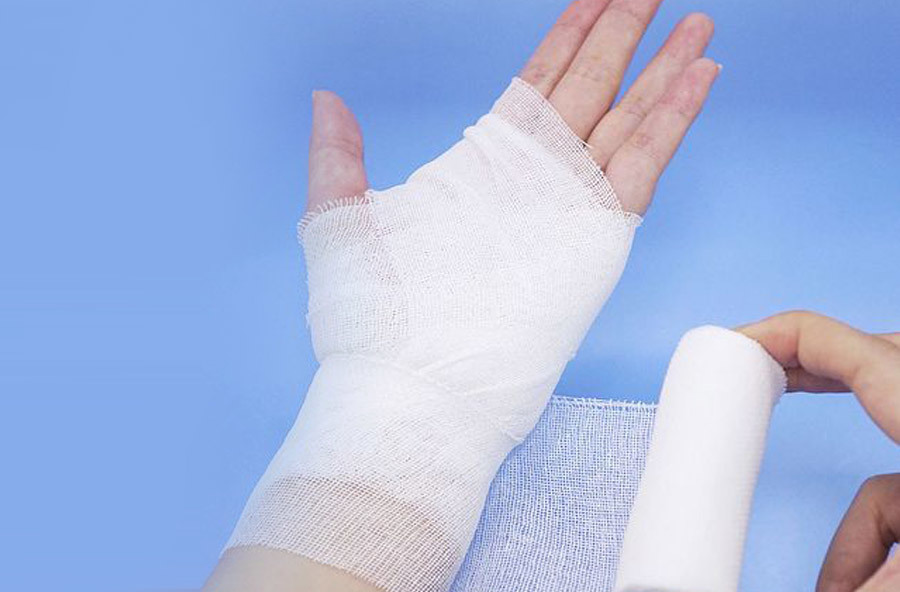
The strategic advantage of partnering with a Chinese biohazard bag manufacturer like Nordi Medical lies in the synergy of scale, technology, and supply chain maturity.
Modern biohazard bags must withstand autoclave cycles (up to 135°C/275°F). We use high-molecular-weight polymers to ensure bags do not melt or leak during sterilization.
Following WHO and OSHA guidelines, our factories produce standardized color-coding: Red for sharps and infectious waste, Yellow for chemical/clinical waste.
The implementation of QR codes and RFID on biohazard bags is a growing trend, allowing hospitals to track waste from the point of generation to final incineration.
Enterprises today require more than just a product; they require a Verified Supply Chain. This includes ASTM D1709 dart impact resistance testing, ASTM D1922 tear resistance standards, and comprehensive ethical audits (SEDEX/BSCI). Hangzhou Nordi Medical meets these demands through rigorous internal auditing and third-party certifications.
For high-risk environments, Linear Low-Density Polyethylene (LLDPE) is preferred due to its superior puncture and tear resistance compared to standard LDPE. For bags requiring autoclaving, Polypropylene (PP) is the industry standard.
The micron (or mil) rating indicates the thickness. Heavy-duty applications (like sharps-adjacent waste) typically require 40-75 microns to ensure safety during transport and to prevent accidental needle sticks or leaks.
We utilize automated production lines with integrated visual inspection systems that detect seal integrity and film uniformity in real-time, ensuring that every batch meets the "Quality First" promise.
Yes, our bags are designed to meet UN3291 standards for the transport of clinical waste, ensuring they are leak-proof and durable enough for international maritime and air freight.