When considering the medical supply industry, one common question arises: "What is the difference between woven and non-woven gauze?" This inquiry is essential for healthcare professionals, as the choice between these two materials can significantly impact patient care. Dr. Emily Carter, a leading expert in textile engineering, emphasizes, “Understanding the material composition is crucial for effective use in medical settings.”
Woven gauze is made from interlaced fibers, providing strength and durability. It allows for air circulation, promoting healing. This type of gauze is often preferred for applications needing added support. Non-woven gauze, on the other hand, is created using a web of fibers that are bonded together. This results in a softer touch, ideal for sensitive skin. It is often used for wound dressings, where gentleness is paramount.
However, the choice between woven and non-woven gauze isn’t always clear-cut. Some practitioners may overlook important factors such as moisture retention and absorption rates. Misunderstanding these differences can lead to suboptimal care. Therefore, understanding "What is the difference between woven and non-woven gauze?" is not just a matter of material selection; it's about ensuring the best possible outcomes for patients.
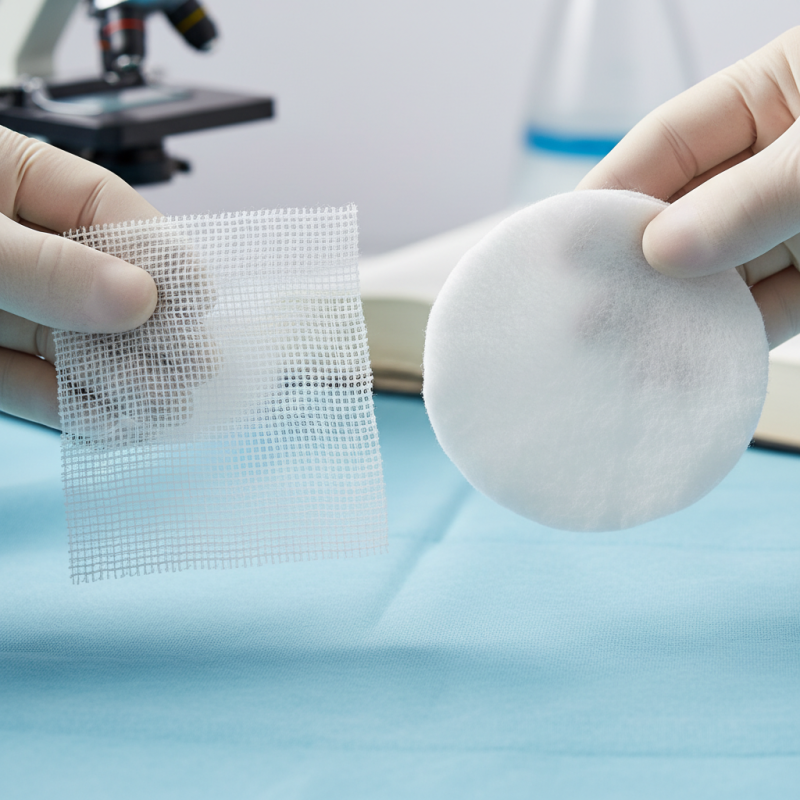
Woven Gauze: Characteristics and Uses
Woven gauze is a versatile material extensively used in medical settings. It is made from interlacing threads, giving it strength and durability. This structure allows woven gauze to provide excellent support for wounds. It is often used to dress cuts, abrasions, and surgical sites. The breathability of woven gauze helps maintain an optimal healing environment.
In addition to wound care, woven gauze has other applications. It is commonly used for absorbency in various medical procedures. Some might overlook its ability to be sterilized easily. This characteristic is crucial in preventing infections. Moreover, woven gauze can be layered for added absorbency, yet this can make it bulky. Finding the right balance between absorbency and comfort is essential.
Despite its many advantages, woven gauze isn't perfect. Its texture may be rough for some patients, causing discomfort. Some users might prefer smoother alternatives. This discomfort can lead to unnecessary stress during treatment. Reflecting on these aspects can improve the use of woven gauze, ensuring better outcomes in patient care.
Non Woven Gauze: Features and Applications
Non-woven gauze has become essential in wound care and medical applications. Unlike woven fabric, which consists of interlaced threads, non-woven gauze is made from fibers bonded together. This production method grants it superior absorbency and softness, making it ideal for sensitive skin and delicate wounds. According to a recent report by Smithers, the global non-woven market is expected to reach over $56 billion by 2025, driven by advancements in healthcare products.
One of the standout features of non-woven gauze is its versatile application. It is often used for dressings, surgical sponges, and even hygienic products. Approximately 50% of healthcare professionals prefer non-woven materials due to their better fluid resistance and reduced risk of contamination. This is particularly relevant in hospitals, where infection control is paramount. The versatility of non-woven materials extends to homecare, too, where ease of use and effective wound management is a priority.
However, there are still limitations and areas requiring improvement in non-woven gauze design. For example, while it excels in absorbency, some types can tear easily, which can compromise wound protection. In addition, the environmental impact of non-woven fabrics, often made from synthetic materials, prompts ongoing debates about sustainability in healthcare. Balancing the benefits of non-woven gauze with these concerns is a continuous challenge for healthcare professionals and manufacturers alike.
Comparison of Production Processes for Woven and Non Woven Gauze
Woven and non-woven gauze differ significantly in their production processes. Woven gauze is made by interlacing threads in a crisscross pattern. This method creates a strong and durable fabric. The weaving technique allows for varying densities, which can affect the fabric’s absorbency and breathability. Woven gauze is often utilized in surgical settings for its reliability. However, its production can be resource-intensive, requiring more time and labor.
In contrast, non-woven gauze is created through a process that bonds fibers together using heat or chemicals. This technique allows for quicker production and can result in lighter materials. Non-woven gauze is commonly used for dressings and disposable medical supplies. While it offers advantages in terms of low cost and efficiency, its strength and durability may not always match that of woven gauze. This difference in production impacts not only cost but also the applicability in various medical scenarios. Some users might find non-woven options lacking in certain situations, prompting them to reflect on their choices carefully.
Comparison of Woven and Non Woven Gauze Production Processes
Advantages and Disadvantages of Woven versus Non Woven Gauze
Woven and non-woven gauze serve different purposes in medical and industrial applications. Woven gauze is made from interlaced fabric. This structure provides durability and strength. It is often more absorbent, ideal for wound dressing. The main downside is the potential for linting. This can introduce foreign particles into the wound, which might lead to infections.
Non-woven gauze, on the other hand, is created by bonding fibers together. This process allows for a softer texture, making it more comfortable for patients. Non-woven gauze is often used in procedures that require additional sterility. However, it tends to absorb less fluid than its woven counterpart. It can also be more expensive, affecting budget-conscious environments.
When choosing between these types, consider the specific needs. Each type has its unique benefits and drawbacks. For example, while woven gauze offers strength, it may not provide the same level of sterility. Non-woven options shine in cleanliness but lack the absorbency needed for some situations. Finding a balance is essential for optimal care.
Difference Between Woven and Non Woven Gauze Explained - Advantages and Disadvantages of Woven versus Non Woven Gauze
| Aspect |
Woven Gauze |
Non Woven Gauze |
| Material Composition |
Made from interlaced fibers |
Made from bonded fibers |
| Absorbency |
High absorbency |
Moderate absorbency |
| Strength |
Strong durability |
Less durable under tension |
| Cost |
Generally more expensive |
Generally cheaper |
| Uses |
Surgical and wound dressings |
Medical and hygiene applications |
| Environmental Impact |
Biodegradable options available |
Typically less eco-friendly |
| Comfort |
Soft and comfortable |
Less comfortable against the skin |
Common Applications in Medical and Industrial Fields
When comparing woven and non-woven gauze, it's essential to understand their applications. Each type of gauze serves distinct purposes in medical and industrial fields. Woven gauze features crisscross threads, allowing for breathability and fluid absorption. This makes it suitable for dressings where wound care is critical.
Non-woven gauze, on the other hand, is created through a bonding process, yielding a smoother surface. It's often used in sterile applications, such as surgical settings. The absence of thread allows for lower lint production, which is crucial in maintaining a clean environment.
Tips: Always choose gauze based on the specific requirement of the task. For example, while woven gauze offers rigidity, non-woven can provide better coverage. Consider skin sensitivity as well; some non-woven materials are less likely to irritate. Lastly, review the storage conditions of gauze products. Improper storage can compromise their effectiveness.
FAQS
: Woven gauze is made by interlacing threads, while non-woven gauze bonds fibers using heat or chemicals.
Woven gauze is strong and durable, but resource-intensive. Non-woven gauze is quicker to produce but may lack durability.
Woven gauze offers strength, durability, and better absorbency for wound dressing applications.
Yes, woven gauze can produce lint, which might introduce foreign particles and lead to infections.
Non-woven gauze is preferred for procedures requiring sterility due to its smoother surface and lower lint production.
Non-woven gauze generally absorbs less fluid, which may be inadequate for certain medical needs.
It is crucial to match gauze type to specific tasks, considering absorbency, sterility, and patient comfort.
Proper storage is important; improper conditions can compromise the gauze's effectiveness.
Woven gauze may be less gentle on sensitive skin compared to some non-woven options.
While non-woven gauze is cleaner, it might not provide the necessary absorbency for all situations.
Conclusion
The article titled "Difference Between Woven and Non Woven Gauze Explained" provides a comprehensive overview of the characteristics, production processes, and applications of woven and non-woven gauze. Woven gauze is known for its strength and breathability, making it suitable for applications requiring durability, while non-woven gauze offers unique features such as greater absorbency and lower manufacturing costs, ideal for various medical and industrial settings.
A key question addressed in the article is, "What is the difference between woven and non-woven gauze?" The comparison highlights distinct production techniques, with woven gauze created through interlacing threads, whereas non-woven gauze is produced by bonding fibers together. The advantages and disadvantages of each type depending on specific needs and usages are also discussed, providing valuable insights for medical professionals and industries alike.
 Nordi Medical
