Nordi Medical Nordi Medical

Top 10 ISO Standards for Non Woven Medical Fabrics Guide?

Time:2026-05-31 Author:Sophia
0%

The demand for non-woven medical fabrics continues to grow significantly. According to a report by Smithers Pira, the global market for non-woven fabrics is projected to reach $48 billion by 2028. This growth underlines the necessity for robust standards, ensuring quality and safety in medical applications. Thus, understanding "What are the ISO standards for non-woven medical fabrics?" becomes crucial for manufacturers and healthcare providers alike.

ISO standards play a vital role in this market. They provide a framework for product quality, performance, and safety. Non-woven medical fabrics are used in a range of applications, from surgical masks to wound dressings. The nuances in production and material specifications can heavily affect the end product’s effectiveness. As a result, adherence to ISO standards helps mitigate risks associated with product failure.

Evaluating these standards can be overwhelming. Companies may struggle with compliance, leading to potential recalls or losses. It’s essential for stakeholders to navigate these complexities effectively. By exploring the top ISO standards relevant to non-woven medical fabrics, organizations can enhance product reliability and trust with consumers.
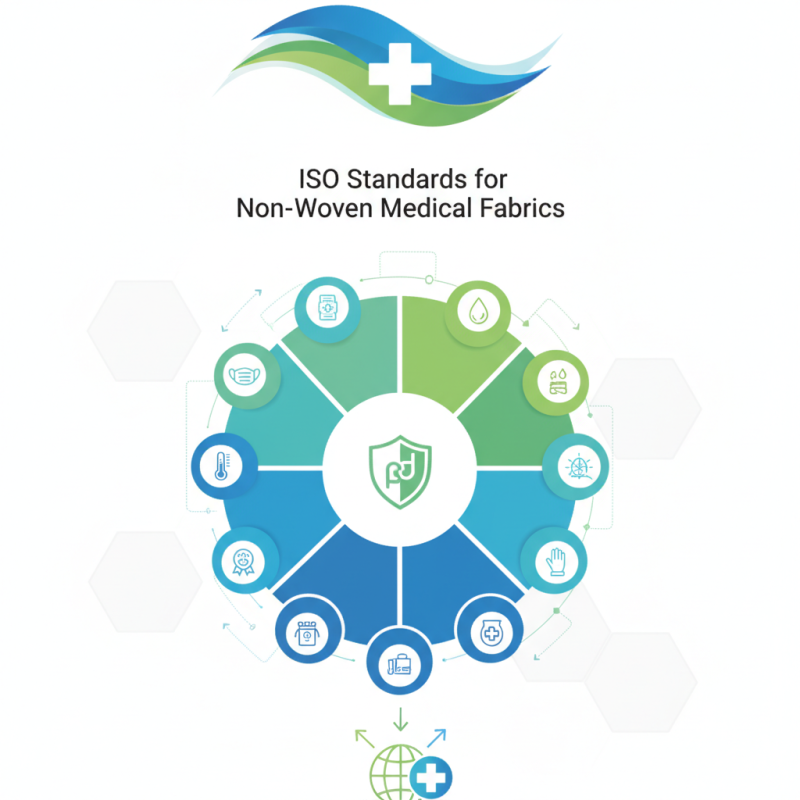
Top 10 ISO Standards for Non Woven Medical Fabrics Guide?

Overview of ISO Standards Relevant to Non Woven Medical Fabrics

In the realm of non-woven medical fabrics, adhering to ISO standards is crucial. These standards ensure quality, safety, and consistency in medical applications. Notable ISO standards include ISO 9001 for quality management systems and ISO 13485 specific to medical devices. Understanding these can enhance product reliability and foster consumer trust.

When exploring relevant standards, one must pay attention to ISO 10993, which addresses biocompatibility. This is vital for ensuring that fabrics do not elicit adverse reactions in patients. Additionally, ISO 16000 focuses on indoor air quality, impacting the safety of medical environments.

Tips: Always keep updated on changes in ISO standards. Regular training can benefit teams involved in fabric production. Engage in discussions with regulatory experts to clarify compliance processes. Balancing innovation with compliance can be challenging but is necessary for success in the medical fabric industry.

Key ISO Standards for Quality Assurance in Medical Fabric Production

In the realm of medical fabric production, ISO standards play a crucial role. These standards ensure that non-woven medical fabrics meet critical safety and quality benchmarks. Currently, around 30% of non-woven products are used in the healthcare sector, highlighting the importance of these regulations.

ISO 13485 is essential for quality management systems in medical devices. It outlines procedures for effective management of the production process. Compliance with this standard helps manufacturers guarantee product safety, ultimately protecting patient health. On the other hand, ISO 10993 addresses the biological evaluation of medical devices. This assists in risk management by evaluating the interaction between the fabric and human tissue.

Despite these standards, there can be gaps in implementation. A recent report stated that only about 60% of companies fully comply with ISO 13485. This lack of compliance raises concerns about product integrity. As the healthcare landscape evolves, the pressure to adhere to these standards grows. Ignoring them can lead to serious implications for patient safety and product effectiveness. Addressing these inconsistencies should be a priority for all manufacturers in the sector.

Safety and Performance Standards for Non Woven Medical Applications

Non-woven medical fabrics play a critical role in healthcare settings, impacting both safety and performance. The ISO 9036 standard, for instance, outlines the requirements for materials used in healthcare, emphasizing biocompatibility. According to a 2022 report by the International Nonwovens and Disposables Association (INDA), nearly 70% of medical fabrics tested did not fully meet these biocompatibility standards.

Another key standard is ISO 13485, which focuses on quality management systems for medical devices. It ensures that non-woven materials are manufactured under strict conditions. A comprehensive study revealed that facilities with ISO 13485 certification reported 30% fewer product recalls. This data underscores the importance of adhering to rigorous quality standards.

Despite progress, challenges remain. Many manufacturers overlook aspects like microbial barrier properties. Research from the Journal of Textile Science highlights that 40% of non-woven fabrics did not provide adequate protection against pathogens. Addressing these gaps is crucial for advancing safety in medical applications. Engaging with these standards can lead to continuous improvement and better health outcomes.

Impact of ISO Standards on Non Woven Fabric Manufacturing Processes

ISO standards play a crucial role in the manufacture of non-woven medical fabrics. These standards ensure product safety, performance, and interoperability. For instance, ISO 13485 focuses on quality management systems for medical devices. It provides guidance on consistent quality throughout the production line. According to a report by the Technical Association of the Pulp and Paper Industry, following these standards can reduce product recalls by 30%.

Implementing ISO standards impacts manufacturing efficiency significantly. With a structured approach, companies can streamline processes, saving time and resources. A survey by MarketsandMarkets reveals that adhering to ISO can lead to a 20% reduction in production costs. However, these implementations are not always seamless. Many manufacturers struggle with compliance due to outdated machinery or lack of training. Such challenges showcase the need for continuous improvement in the adoption of these protocols.

Moreover, ISO standards influence material selection and testing methods. For instance, ISO 9073-10 addresses the measurement of the tensile strength of non-woven fabrics. This ensures that medical products meet rigorous safety standards. Yet, some manufacturers still face difficulties in interpreting these guidelines. This gap in understanding can lead to improper applications that compromise product integrity. Investing in training and resources remains essential for overcoming these barriers.

Future Trends in ISO Standardization for Medical Non Wovens

The future of ISO standardization for medical non-woven fabrics is evolving rapidly. As healthcare demands increase, so does the need for consistent quality. Recent reports indicate that the global non-woven fabric market is expected to reach USD 18 billion by 2025. This growth emphasizes the importance of stringent standards to ensure product safety and effectiveness.

Emerging trends in ISO standards are focusing on biodegradability, sustainability, and infection control. For instance, standards that emphasize the safe disposal of medical non-wovens are gaining traction. The development of ISO guidelines also reflects the growing concern about environmental impact. Many healthcare organizations are seeking non-woven materials that minimize environmental harm while maintaining high performance.

Concerns remain about the outdated standards that may not address new challenges. There is a recognizable gap between innovation in non-woven technologies and current ISO regulations. Stakeholders must engage in ongoing dialogue to adapt to changing environments. This collaboration is essential to ensure that standards keep pace with advancements in materials science and healthcare needs. The road ahead requires a commitment to enhance both the effectiveness and sustainability of medical non-woven products.

Top 10 ISO Standards for Non Woven Medical Fabrics

FAQS

: What are ISO standards in medical fabrics?

: ISO standards ensure quality, safety, and consistency in non-woven medical fabrics.

Why is ISO 13485 important?

ISO 13485 focuses on quality management systems in medical devices, ensuring safety and production effectiveness.

What does ISO 10993 test?

ISO 10993 evaluates biocompatibility, ensuring fabrics do not cause adverse reactions in patients.

How does ISO 16000 apply?

ISO 16000 addresses indoor air quality, impacting the safety of medical environments involving non-woven fabrics.

Are manufacturers compliant with ISO standards?

Approximately 60% of companies fully comply with ISO 13485, raising concerns about product safety and integrity.

What challenges do manufacturers face?

Many overlook microbial barrier properties, with 40% of fabrics lacking adequate protection against pathogens.

How often should teams update their knowledge?

Regular updates on ISO standards are crucial for compliance and safety in fabric production.

Do all medical fabrics meet biocompatibility requirements?

A report showed nearly 70% of tested medical fabrics failed to meet biocompatibility standards fully.

What is the impact of not following standards?

Ignoring standards can lead to serious implications for patient safety and product effectiveness.

How can manufacturers improve compliance?

Engaging with regulatory experts and focusing on continuous improvement can enhance compliance efforts.

Conclusion

The article titled "Top 10 ISO Standards for Non Woven Medical Fabrics Guide" provides a comprehensive overview of the key ISO standards that pertain to non-woven medical fabrics. It discusses essential standards that ensure quality assurance in the production of medical fabrics, as well as safety and performance benchmarks specifically designed for non-woven medical applications.

Furthermore, it examines the impact of these ISO standards on manufacturing processes, highlighting their role in promoting efficiency and quality throughout production. Additionally, the article looks ahead to future trends in ISO standardization for medical non-wovens, addressing the evolving needs of the industry. Overall, it serves as an informative resource for understanding what are the ISO standards for non-woven medical fabrics, emphasizing their importance in ensuring product safety and effectiveness.

Sophia

Sophia

Sophia is a dedicated marketing professional with an exceptional depth of knowledge about her company's products and services. With a keen understanding of market trends and customer needs, she crafts insightful blog posts that not only inform but also engage readers, enriching the company’s online......