Nordi Medical
Lymphedema can be a challenging condition to manage. Compression bandages play a crucial role in effective treatment. Patients often wonder, "Which bandage provides the best compression for lymphedema?" The answer is not straightforward. Various factors impact the choice of bandage. Each patient’s needs may vary based on the severity of the condition.
Different bandages offer unique compression levels and materials. Some provide a gentle wrap, while others apply significant pressure. It’s essential to understand the different options available. Choosing the wrong type can hinder recovery and cause discomfort. That’s why knowledge about these products is vital. Experienced healthcare providers advise selecting a bandage tailored to individual circumstances.
With many options on the market, identifying the best bandage can be daunting. Patient reviews and expert recommendations help navigate this landscape. High-quality bandages can make a difference in daily comfort and long-term management. Ultimately, the right choice fosters better quality of life for those living with lymphedema.
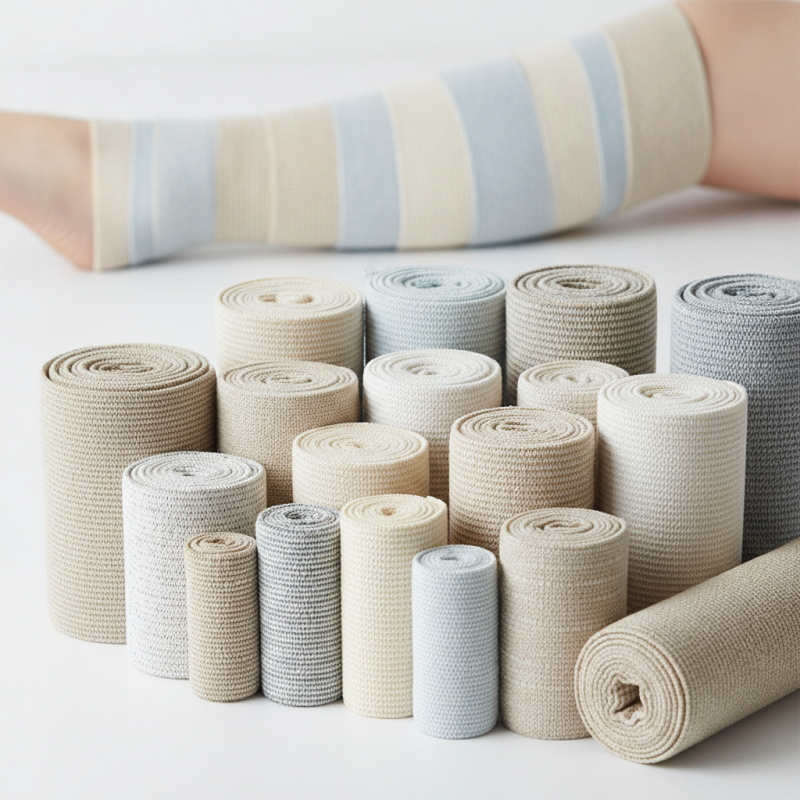
Lymphedema is a chronic condition that results from a compromised lymphatic system. It causes fluid buildup, leading to swelling, typically in the arms or legs. Understanding this condition is crucial for effective treatment. Compression therapy plays a significant role in managing lymphedema. It helps reduce swelling and improves lymphatic drainage through the application of pressure on affected areas.
Different types of bandages are available, each designed to provide optimal compression. Selecting the right bandage is essential for effectiveness. Many patients benefit from custom-fitted options, which can adapt to individual needs. Specific techniques, such as layering bandages, can enhance both comfort and support. However, not every method works for everyone. Some may experience skin irritation, requiring adjustments or alternative types of compression.
It’s important to consult with healthcare professionals before starting compression therapy. This guidance can ensure proper application and avoid complications. Individuals should monitor their condition regularly. Reflection on what works best can lead to improved outcomes over time. Keeping a journal can help track symptoms and treatment effectiveness, aiding in more personalized care.
Proper bandaging techniques are essential for effective lymphedema management. Bandages should apply the right amount of compression to reduce swelling. Incorrect application can lead to complications, such as skin irritation or worsening of edema. It’s crucial to understand how to wrap the affected areas adequately.
When choosing bandages, consider material and tightness. A suitable bandage is elastic yet strong. It should allow for movement while maintaining consistent pressure. Regular monitoring is necessary. Look for signs like changing skin color or increased discomfort. Adjusting the bandaging technique can enhance comfort and outcomes.
Practicing these techniques requires patience. Individuals may struggle to find the right balance. Mistakes can happen, such as over-tightening or misalignment. Reflecting on these experiences allows for improvement. Learning continuously about bandaging techniques leads to better management of lymphedema.
When selecting bandages for optimal compression in lymphedema, certain criteria are essential. The degree of elasticity is crucial, as it should provide adequate pressure without causing discomfort. Studies show that a compression range of 20-30 mmHg is often effective for reducing swelling. Additionally, breathability is important to prevent skin irritation. An effective bandage should allow moisture to escape while keeping the affected area dry.
Material choice matters too. Soft, skin-friendly fabrics tend to yield the best outcomes. A report by the National Lymphedema Network suggests that bandages made from cotton and elastic blends generally perform well. Heavy-duty options can apply more pressure but may be less comfortable for extended wear. Often, patients report fluctuating levels of comfort with different materials, which warrants careful selection.
Tips: Always measure your limb accurately before purchase. Custom-fit options can significantly enhance comfort. Regularly check for signs of irritation or constriction, which can indicate improper fit. Remember, the effectiveness of a bandage heavily depends on individual needs, making it crucial to adhere to your healthcare provider's recommendations. Reflect on your daily routine; lifestyle changes can complement your compression therapy effectively.
When managing lymphedema, selecting the right bandage is crucial for effective compression. These bandages help control swelling and improve mobility. Several options exist, each designed to cater to specific needs. Often, individuals may face confusion in choosing the right type. It’s essential to understand the different levels of compression and materials used.
Some bandages are made of cotton and latex. Others use elastic fibers for better stretchability. People often prefer lightweight options for comfort. It’s important to ensure the bandage fits snugly without restricting blood flow. Many patients express frustration with tightness or discomfort. Adjusting the tension can lead to significant improvements in daily activities.
Patients should be cautious of bandages that cause irritation or skin breakdown. Monitoring the skin condition regularly can prevent complications. Collaborating with healthcare professionals can aid in finding the perfect fit. Experimentation may be necessary to identify the most suitable option. Ultimately, personal experience and professional guidance play vital roles in lymphedema management.
| Bandage Type | Compression Level | Material | Length (m) | Width (cm) |
|---|---|---|---|---|
| Short-Stretch Bandage | High | Cotton/Polyester | 5 | 10 |
| Long-Stretch Bandage | Medium | Elastic | 6 | 8 |
| Compression Lock Bandage | Very High | Nylon/Spandex | 7 | 10 |
| Foam Bandage | Low | Polyurethane | 4 | 15 |
| Compression Elastic Bandage | Medium | Rubber/Polyester | 5 | 12 |
| Cohesive Bandage | Medium | Elasticized Fabric | 4 | 10 |
| Tubular Bandage | Low | Cotton/Elastic | 6 | 5 |
| Self-Adherent Bandage | Medium | Non-Woven Fabric | 5 | 8 |
| Sports Compression Bandage | High | Polyester/Spandex | 6 | 7 |
| Heavy-Duty Compression Wrap | Very High | Thick Cotton | 8 | 12 |
When dealing with lymphedema, proper application and maintenance of compression bandages are crucial for effective treatment. Research indicates that 70% of patients find significant relief through consistent compression methods. Choosing the right bandage is just the first step. It’s important to apply the bandage correctly to maximize its effectiveness and minimize discomfort.
Tips for application include starting at the toes and wrapping upwards towards the heart, ensuring each layer overlaps by about half. This technique promotes better blood flow while maintaining pressure. Always check for signs of restricted circulation, such as color change or numbness. It’s a common oversight to apply too tightly; the bandage should provide compression but remain comfortable. Regularly reassessing the bandage's tightness is vital.
Maintenance is equally important. Compression bandages should be cleaned according to the manufacturer's instructions, typically at least twice a week. Many patients neglect washing them, leading to skin issues or reduced compression efficacy. Ensure that the bandage is completely dry before reapplying. Set a reminder for regular checks. Keeping a schedule can help in the consistent management of lymphedema. Engage with healthcare providers to refine techniques and adjust methods as needed.
: They apply the right compression, helping to reduce swelling effectively.
Skin irritation or worsening edema may occur due to improper application.
Consider both the material and the tightness of the bandage for optimal results.
Common materials include cotton, latex, and elastic fibers for better stretchability.
Look for changing skin color or increased discomfort to identify tightness.
Monitor your skin condition regularly and consult a healthcare professional for adjustments.
Yes, experimentation can help find the most suitable option for your needs.
It may take time to find the right balance and avoid common mistakes.
Many patients feel discomfort from tightness or struggle with misalignment.
Learning from mistakes can enhance your techniques for better lymphedema management.
Lymphedema is a condition characterized by the accumulation of lymph fluid, leading to swelling, often requiring effective management through compression therapy. Proper bandaging techniques are crucial for alleviating symptoms and preventing further complications. When considering which bandage provides the best compression for lymphedema, it is essential to select bandages based on criteria such as material, elasticity, and ease of application.
The top ten recommended bandages for lymphedema patients have been identified for their optimal compression capabilities, helping to enhance lymphatic drainage. Additionally, tips for application and maintenance are vital to ensure the longevity and effectiveness of compression bandages. By following these guidelines, lymphedema patients can achieve better management of their symptoms and improve their overall quality of life.
