Nordi Medical
When managing healthcare facilities, ensuring the integrity of sterile medical consumables is paramount. This leads us to the pivotal question: What are the storage requirements for sterile medical consumables? Proper storage plays a vital role in maintaining the safety and effectiveness of these products.
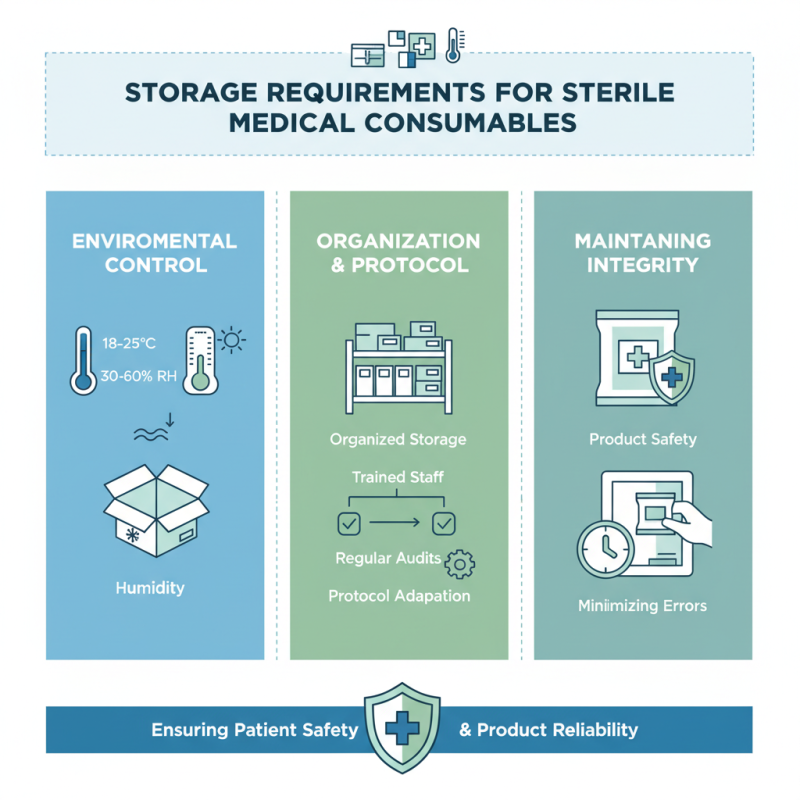
The storage conditions for sterile medical items must be strictly regulated. Temperature and humidity control are crucial. High temperatures can compromise sterile packaging, while excessive moisture may promote contamination. Each facility should routinely monitor these factors. Additionally, organization within storage areas can minimize mistakes during retrieval. Cluttered environments increase the risk of handling errors.
Training staff on correct storage practices is essential. Knowledge gaps may lead to oversights that put patient safety at risk. Facilities must periodically reassess their storage protocols. It is vital to adapt to new findings and technologies. Regular audits can highlight areas needing improvement. By addressing these challenges, healthcare providers can enhance their storage practices, ensuring that sterile medical consumables remain reliable and safe for use.
Sterile medical consumables, including syringes, gloves, and surgical instruments, play a pivotal role in healthcare. These items prevent infections and ensure patient safety. According to a report by the World Health Organization, over 16 million healthcare-associated infections occur annually. Proper storage of these consumables is crucial, as improper conditions can compromise their sterility and effectiveness.
In a clinical setting, factors such as temperature and humidity must be monitored. The ideal storage temperature is usually between 15°C and 30°C. Humidity levels should remain below 60% to avoid mold and contamination. Keep in mind, even small deviations can lead to significant risks.
Tips: Always label storage areas clearly. Use a digital log to track temperature and humidity changes. Regular audits can identify potential issues before they escalate. Education and training for staff about proper handling and storage can minimize errors. Ensuring these practices are routine helps maintain high standards of care. Some facilities overlook these procedures, which can be detrimental. Continuous improvement is necessary for optimal safety.
When it comes to storing sterile medical consumables, several key factors influence their storage conditions. Temperature, humidity, and light exposure are critical. According to a report by the World Health Organization, improper storage can lead to the degradation of medical supplies, affecting their efficacy and safety. For instance, maintaining a controlled temperature range of 15-25°C is essential, as fluctuations may compromise sterile packaging.
Humidity also plays a significant role. A relative humidity level above 60% can lead to mold growth and contamination. By using hygrometers, facilities can monitor humidity levels effectively. Regular checks ensure that consumables remain within safe limits. Light exposure can degrade certain materials, making UV protection vital. Utilizing opaque containers can help shield products from harmful light.
Tip: Always label storage areas with specific temperature and humidity guidelines to ensure compliance.
Choosing the right storage location is just as crucial. Areas near heating or cooling vents can create inconsistent conditions. An ideal space is cool, dry, and free from contaminants. Regular training for staff on best practices is also recommended. This approach ensures that everyone understands the importance of proper storage for maintaining the integrity of sterile products.
Tip: Implement a checklist for regular audits of storage conditions. This proactive measure can prevent unwanted surprises.
Temperature and humidity control are critical for the storage of sterile medical consumables. The optimal temperature range is typically between 15°C and 25°C (59°F to 77°F). Deviations can compromise the integrity of products. Maintaining low humidity, ideally below 60%, prevents microbial growth. High humidity can lead to condensation, which may damage packaging.
Monitoring systems should be in place for continuous tracking. These systems should offer real-time alerts to fluctuations. In a report by the Association for the Advancement of Medical Instrumentation, 30% of medical device defects stem from inadequate storage conditions. This highlights a pressing need for compliance with storage standards.
Tips: Implement routine audits of storage areas. Staff training on monitoring equipment can reduce human error. Ensure that all consumables are labeled with their specific storage requirements. Regular review of these practices is vital. Ignoring these procedures can lead to costly recalls and patient safety risks.
Proper packaging and labeling of sterile medical consumables is crucial in healthcare settings. According to a report from the World Health Organization, inadequate packaging can lead to contamination. Standards dictate that packaging must withstand sterilization processes while providing adequate protection. Packaging materials must be non-reactive and compliant with ISO 11607 guidelines. This ensures the sterility of items is maintained until the point of use.
Labeling is equally important. Clear, concise labels prevent errors during medical procedures. The FDA emphasizes that labels must include sterilization methods, lot numbers, and expiration dates. Studies show that mislabeling can result in significant risks to patient safety. Regular audits and adherence to the guidelines can help mitigate these risks. Inadequate training in labeling practices remains a concern across many facilities.
The integrity of sterile items relies heavily on both their packaging and labeling. However, even with regulatory guidelines in place, lapses occur. Some facilities report inconsistencies in complying with these standards. This highlights the need for continuous education and vigilance within healthcare operations. Enhanced focus on these areas can improve overall patient safety.
Effective inventory management for sterile medical consumables is critical. According to a study by the World Health Organization, about 30% of hospitals face challenges in maintaining adequate stock levels. This inconsistency can lead to shortages or, conversely, overstock issues.
To optimize inventory, adopting a First-In-First-Out (FIFO) approach is essential. It reduces waste due to expiration, particularly in sterile consumables. Regular audits are imperative. Research from the Journal of Healthcare Management suggests that hospitals that conduct monthly inventory reviews reduce expired items by 25%. Still, many institutions neglect this practice, leading to unnecessary losses.
Implementing real-time monitoring systems can significantly enhance efficiency. Utilizing barcode scanning and RFID technology provides accurate data on stock levels. A recent report indicated that facilities using such systems could decrease their inventory costs by up to 20%. However, staff resistance to new technologies remains a challenge. Training and engagement are vital to address this gap for better compliance and efficiency.
: Sterile medical consumables include syringes, gloves, and surgical instruments. They are essential for preventing infections.
Improper storage can compromise sterility. This increases the risk of infections and can affect patient safety significantly.
The ideal storage temperature is usually between 15°C and 30°C. Staying within this range helps maintain effectiveness.
Keeping humidity below 60% prevents mold growth. High humidity can cause condensation, damaging packaging and contents.
Regular audits and staff training are key. Continuous monitoring of temperature and humidity helps identify issues quickly.
Overlooking storage procedures is common. Neglecting to label items correctly can lead to confusion and potential safety risks.
Implementing monitoring systems with real-time alerts is essential. This approach helps maintain optimal storage conditions continuously.
Deviations can lead to product defects. This not only risks patient safety but can also result in costly recalls.
Continuous improvement helps adapt to new challenges. Routine reviews can prevent oversights and enhance safety protocols.
Sterile medical consumables are critical for ensuring patient safety and effective medical treatments. Understanding their storage requirements is essential to maintain their integrity and efficacy. Key factors influencing storage conditions include temperature control, which generally must remain within a specified range to prevent degradation, and humidity levels that must be regulated to avoid contamination.
Additionally, packaging and labeling standards play a vital role in ensuring that these items remain sterile until their use. To effectively manage inventory, implementing best practices for monitoring temperature and humidity, as well as conducting regular audits, is crucial. In summary, addressing the question, "What are the storage requirements for sterile medical consumables?" involves comprehensively understanding these factors to ensure compliance and safety in medical environments.
