Nordi Medical
Keeping bandages secure after a shower can be challenging. Many people ask, "Why does my bandage keep falling off after a shower?" According to industry reports, around 30% of patients experience issues with bandage adhesion in wet conditions. Water can weaken the adhesive, leading to premature detachment. This is particularly concerning for individuals with wounds that require protection.
In a study published in the Journal of Wound Care, it was noted that moisture can create an environment conducive to infection. Without adequate bandage support, healing may be compromised. Professionals recommend using waterproof bandages designed specifically for showering. These can provide better moisture resistance, reducing the chances of slippage.
Additionally, the way a bandage is applied plays a crucial role. Ensuring the area is clean and dry before application enhances adhesion. However, many overlook this step, leading to frustration and setbacks in their recovery. Exploring options and applying proper techniques can significantly improve bandage performance.
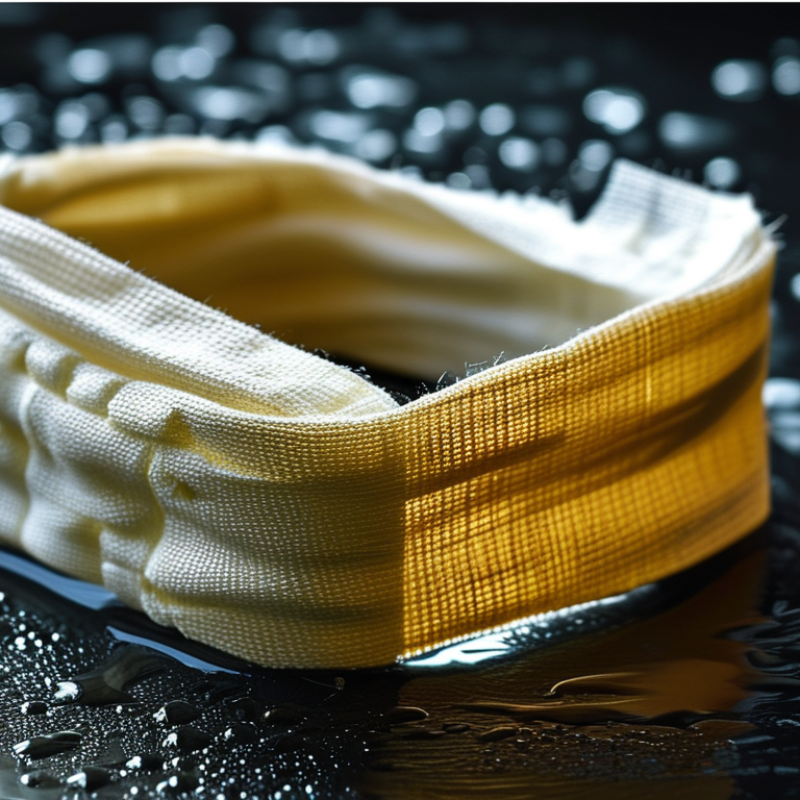
Moisture plays a critical role in the adhesion of bandages. When a bandage is exposed to water, the adhesive bonds weaken. According to a study published in the Journal of Wound Care, moisture can reduce adhesion by up to 50%. This disconnection compromises the dressing's ability to protect wounds, potentially leading to infections or further complications.
When showering, water can infiltrate the edges of a bandage. This can occur even with waterproof coverings. Many individuals underestimate how saturated skin can influence adhesion. In fact, studies indicate that skin humidity levels can increase by 30-40% in a warm, damp environment. This excess moisture disrupts the adhesive's grip. It's essential to consider these factors when applying a bandage, particularly after a shower.
To improve bandage performance, drying the skin before application is crucial. Additionally, opting for moisture-absorbing materials may help. Reflecting on your experiences can inform better practices, as many people find themselves struggling with bandages that just won’t stick. The relationship between moisture and adhesion deserves closer examination and thoughtful consideration.
This bar chart illustrates the impact of moisture levels on the adhesion strength of bandages. As moisture increases from low to high, the adhesion strength significantly decreases, which can lead to bandages falling off after a shower.
Choosing the right type of bandage for showering and water exposure is essential for effective wound care. Waterproof bandages are a popular choice. They keep water out and protect the wound from bacteria. Look for bandages labeled as "waterproof." They provide a reliable barrier while allowing some skin breathability.
Silicone gel sheets are another option. They are soft and flexible, conforming well to body contours. This can help reduce the risk of the bandage peeling off during showering. These sheets can be beneficial for sensitive skin. However, their cost can be a downside for some users.
Consider how often you shower and your activity level. If you shower frequently, a breathable adhesive bandage may not last long. It might require frequent changes, which can irritate the skin. Reflect on the balance between protecting the wound and your skin’s health. Evaluating these factors can guide you in selecting the best bandage for your needs.
Keeping your bandage secure during showers can be a challenge. Water exposure can weaken adhesives and promote moisture buildup, leading to potential complications. Research suggests that nearly 70% of minor wound infections stem from improper wound care, including inadequate protection during everyday activities like bathing.
To combat this, consider applying a waterproof bandage. These specialty dressings are designed to keep moisture out while allowing the skin to breathe. They're especially effective for acute wounds. Moreover, overlap your bandage with skin tape or medical adhesive. This adds an extra layer of protection. According to a study published in the Journal of Wound Care, using such techniques can reduce bandage dislodgment by over 50%.
Tip: Prior to showering, gently dry your skin around the bandage. This helps improve adhesive performance without causing discomfort. After your shower, check the integrity of your bandage. If it feels loose or wet, change it right away to prevent infection. It’s crucial to learn from mishaps. If your bandage falls off too frequently, re-evaluate your technique and consider seeking professional advice. Proper wound care is essential for healing, so take these steps seriously.
| Technique | Description | Effectiveness | Additional Tips |
|---|---|---|---|
| Waterproof Bandages | Use bandages designed to be waterproof. | High | Ensure correct size for full coverage. |
| Plastic Wrap | Cover the bandage with plastic wrap before showering. | Moderate | Seal edges with tape to prevent water entry. |
| Waterproof Tape | Secure the bandage using waterproof tape. | High | Apply tape around the edges of the bandage. |
| Shower Cap | Use a shower cap to keep the bandage dry. | Moderate | Make sure it's tightly fitted. |
| Gentle Shower Technique | Shower with low water pressure and avoid direct spray. | Low to Moderate | Use a hand-held showerhead for better control. |
After a shower, keeping your bandage secure can be challenging. It's essential to ensure it adheres properly to protect your wound. According to a study published in the Journal of Wound Care, up to 40% of patients experience bandage failure due to moisture. This can lead to complications in healing.
To enhance bandage adhesion after bathing, start by gently patting the area dry with a clean towel. Avoid rubbing, as this can damage your skin. Using a waterproof covering may help. A National Health System report indicates that waterproof bandages can maintain effectiveness, even in wet conditions. Remember, not all bandages are created equal; some might not hold up well in moisture.
Regular checks on the bandage are crucial. If you notice any lifting edges or damp areas, replace the bandage immediately. Delaying this can lead to infections, which can prolong healing. It's vital to assess your wound regularly and ensure that your bandage is still intact. The journey to effective post-shower care can often be imperfect, requiring constant monitoring and adjustments.
Keeping a bandage in place during a shower is crucial for effective wound care. Research indicates that moisture can weaken adhesives, leading to dislodged bandages. A study published in the Journal of Wound Care found that nearly 40% of bandages fall off within the first week of use, especially after exposure to water. Ensuring that your bandage stays put requires careful attention to details.
To enhance the longevity of bandages during water exposure, consider using waterproof options. These bandages are designed to resist moisture. According to the American Academy of Dermatology, waterproof bandages can improve healing times by protecting wounds from bacteria. Resting the bandage securely on dry skin also helps. Ensure that the surrounding area is clean and completely dry before application. This can prevent premature lifting and increase adhesion.
Reassess your technique regularly. While many people rely on traditional adhesive methods, they may not be sufficient for everyone. If you find bandages frequently fail after showers, consider alternative securing methods. Medical tapes or additional support from gauze can provide extra reinforcement. Remember, it’s better to be cautious and change a bandage if it begins to loosen after water exposure. Taking these steps can lead to more effective healing and less frustration.
: Use waterproof bandages designed to resist moisture. They help keep your wound dry.
Gently dry your skin around the bandage. This can enhance how well it sticks.
Wet bandages can become loose and lead to infections. It’s important to change them.
Yes, check if it feels loose or wet. Change it immediately to prevent complications.
Overlap your bandage with skin tape for added protection. This can reduce dislodgment.
Regular evaluation is key. If bandages frequently fail, it might be time to adjust your methods.
Yes, waterproof options can protect wounds from bacteria and may improve healing times.
They may not work for everyone. Some people need stronger alternatives, like medical tape.
Reflect on your application method and consider seeking advice for best practices.
It’s better to change a bandage if it loosens. This helps avoid potential infections.
When you ask, "Why does my bandage keep falling off after a shower?" the answer often lies in the impact of moisture on bandage adhesion. Understanding the science behind how water affects the adhesive properties of different bandages can help you choose the most suitable option for water exposure. Selecting the right type of bandage is crucial for ensuring it can withstand the conditions of a shower.
To enhance the security of your bandage during showers, consider employing various techniques, such as waterproof covers or adjusting how you apply the bandage. Post-shower care is equally important; take steps to reinforce adhesion by patting the area dry and using additional adhesive solutions if necessary. For prolonged use in water, following professional recommendations can help maintain the integrity of your bandage, allowing for effective wound protection without frequent changes.
