Nordi Medical
Sterilizing medical cotton at home is crucial for maintaining hygiene. Proper sterilization helps prevent infections during first aid or wound care. Many people overlook the importance of this simple yet effective practice. This oversight can lead to serious health risks, especially in emergencies.
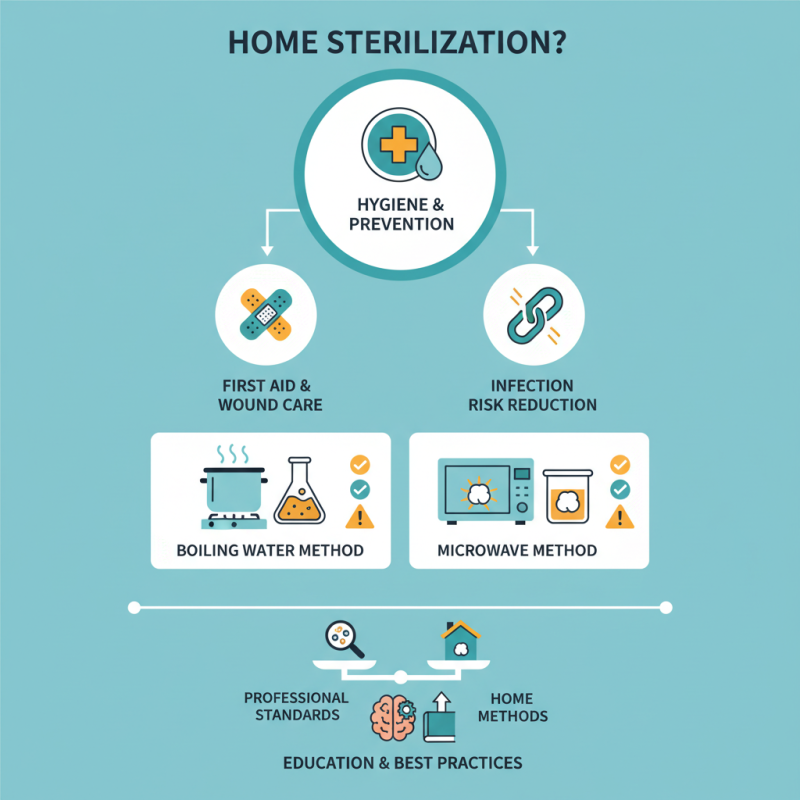
How to sterilize medical cotton at home? This question is vital for anyone looking to ensure their supplies are safe. Using boiling water or a microwave can be effective methods. However, improper techniques can lead to unsatisfactory results. It's essential to be meticulous and follow best practices closely.
While sterilizing at home is achievable, it may not match professional standards. There's a fine line between adequate sterilization and contamination. Therefore, continuous education and reflection on these methods are necessary. This ensures that you are well-equipped to handle minor injuries safely and effectively.
Sterilization is crucial for medical cotton. The general public may overlook this step, but it plays a critical role in healthcare. Unsterilized cotton can harbor bacteria, leading to infections. According to the CDC, nearly 1 in 25 hospital patients contracts at least one healthcare-associated infection each year. This statistic highlights the dire consequences of using non-sterile materials in medical settings.
Home sterilization methods, while not perfect, can significantly reduce risks. Boiling water and steam are effective. The World Health Organization (WHO) states that moist heat can eliminate harmful organisms. Home users must be cautious, as improper techniques may lead to incomplete sterilization. Consistency in methodology is essential for safety.
Despite the opportunity for home sterilization, challenges remain. Equipment may not always guarantee sterile conditions. Misunderstandings about the proper sterilization process can lead to contamination. Education and awareness are vital. Regular training on sterilization practices can improve outcomes. Yet, it is essential to remember that even experts sometimes face obstacles in maintaining sterility.
Sterilizing medical cotton at home is crucial for safety. If not done correctly, it can pose serious health risks. While commercial sterilization is preferable, some methods can be adapted for home use.
One common method involves boiling water. Bring a pot of water to a rolling boil. Submerge the cotton for about 15 minutes. Ensure that the water fully covers the cotton. This method is simple but requires vigilance. It’s essential to let the cotton cool on a clean, sterile surface.
Another technique is using steam. If you have a steam cooker, place the cotton in a safe container. Steam for at least 20 minutes. This process is effective but may not reach all nooks. It’s vital to check the container and cotton for any debris before starting. Remember, maintaining a sterile environment is key. Even a small lapse can lead to contamination.
Using non-sterilized medical cotton can pose serious health risks. Bacteria and viruses thrive on unsterilized materials. These pathogens can lead to infections, especially in wound care or during medical procedures. In particular, open wounds are vulnerable. A small oversight can have significant consequences for recovery and overall health.
In many households, the understanding of sterilization is limited. People might assume that cotton is clean, simply because it looks white. However, visible cleanliness does not guarantee sterility. Contaminated cotton can introduce harmful germs into the body. Risks increase when applying it to cuts or during injections. Knowing this, it's essential to prioritize proper sterilization methods at home.
Home sterilization is not always straightforward. Many may lack the right techniques or tools. Boiling water, steam, or chemical options can work, but not everyone is familiar with these approaches. Without thorough knowledge, the effectiveness varies. It raises questions about safety, leading to the need for more awareness and education on proper methods. Keeping cotton sterilized is a crucial step in health maintenance at home.
Sterilizing medical cotton at home ensures safety and hygiene. Improper sterilization can lead to infections. Research indicates that around 1 in 25 hospital patients suffer from healthcare-associated infections. Thus, a clean environment at home is critical.
For effective home sterilization, start by cleaning the cotton thoroughly. Use 70% isopropyl alcohol, which effectively kills bacteria. Immerse the cotton in the solution for at least 30 seconds. Afterward, allow it to air dry on a clean surface. Avoid using tap water or unsterilized containers, as these can introduce contaminants.
Monitoring the sterilization process adds reliability. Check the surrounding environment regularly. If it’s dusty or humid, the chance of contamination increases. Maintaining a clean workspace helps ensure the cotton's efficacy. Engaging in such practices reflects a commitment to health and safety, benefiting everyone involved.
Sterilization plays a vital role in infection control, especially in medical settings. According to the World Health Organization, approximately 84% of healthcare-associated infections are preventable. Properly sterilized medical cotton can significantly reduce these risks. Regular cotton, when left unsterilized, can harbor bacteria. This can lead to infections during medical procedures or wound care.
Home sterilization methods can be effective but must be approached with caution. Simple boiling or using steam can eliminate most pathogens, but not all. A study in the Journal of Infectious Diseases showed that improper sterilization techniques may leave 30% of microorganisms intact. This highlights the importance of following established guidelines.
The reliability of homemade sterilization is often questioned. For instance, the effectiveness of microwave sterilization is under debate. Inconsistent heat distribution can result in some areas remaining contaminated. Therefore, while home sterilization can be beneficial, it should not replace professional standards if proper equipment is available. Families must weigh convenience against potential health risks when choosing their sterilization methods.
| Aspect | Importance | Method of Sterilization | Frequency of Sterilization |
|---|---|---|---|
| Infection Control | Reduces risk of infection during medical procedures | Boiling water method | Before each use |
| Safety | Ensures safety for patients | Microwave sterilization | Weekly or as needed |
| Cost-Effective | Saves money on medical supplies | Chemical sterilants | As per manufacturer guidelines |
| Accessibility | Allows for home care in remote areas | Pressure cooker method | Before usage |
: Sterilization prevents bacterial infections. Unsterilized cotton can harbor harmful organisms that lead to serious health risks.
Non-sterilized cotton can cause infections, especially in open wounds. Pathogens thrive on unsterilized materials, leading to complications.
Yes, boiling water and steam can reduce risks. However, improper techniques may lead to incomplete sterilization.
Limited knowledge and techniques can lead to contamination. Many people may assume cotton is sterile when it looks clean.
Consistency in sterilization methods is key. Regular training and awareness on techniques can help maintain safety.
Awareness and education on proper sterilization methods remain limited. Sometimes even experts face challenges in this area.
No, visual appearance does not guarantee sterility. Contaminated cotton can introduce harmful germs into the body.
Seek information on simple techniques like boiling water. Understanding various approaches can improve safety at home.
Regular sterilization is important, especially before using it on cuts or during injections. Prioritize safety at all times.
A small mistake can lead to significant consequences for recovery. It emphasizes the need for diligence in health practices.
Sterilizing medical cotton at home is crucial for ensuring safety and preventing infections, especially when professional medical supplies are not readily available. Proper sterilization methods, such as boiling or using an autoclave, can help eliminate harmful pathogens. Understanding how to sterilize medical cotton at home is essential in maintaining hygiene and preventing the risks associated with using non-sterilized materials, which can lead to serious health complications.
To effectively perform home sterilization, individuals should follow best practices, including thorough cleaning of the cotton before the sterilization process and ensuring that the storage environment remains free of contaminants. By prioritizing these steps, one can significantly contribute to infection control and create a safer environment for treatment and care.
