China’s top 10 sterile bandages compete on absorbency, comfort, packaging, and verified sterility. Yet buyers often overlook one critical question: How to calculate the shelf life of sterilized bandages? The answer requires more than adding months to a production date. It depends on sterilization validation, material stability, package integrity, storage conditions, and evidence from aging studies.
Dr. William A. Rutala, a recognized sterilization and infection-control expert, has emphasized, “Sterility is not a permanent condition; it depends on events after processing.” This principle matters on a warehouse shelf. A sealed bandage may face heat, humidity, vibration, sunlight, or repeated handling. Each factor can weaken the sterile barrier.
A practical calculation begins with the sterilization date and the validated expiry period. Manufacturers commonly combine real-time aging with accelerated aging under ASTM F1980 principles. They also inspect seals, packaging strength, microbial barrier performance, and product appearance. ISO 11607 supports the evaluation of packaging systems for terminally sterilized medical devices.
The formula looks simple: expiry date equals validated shelf-life period plus the sterilization or manufacturing date. The evidence is not simple. A five-year claim needs supporting data, not optimism. Products with cotton, nonwoven fabric, adhesive, or absorbent layers may age differently. Small changes matter.
Temperature matters too.
This article introduces how leading Chinese manufacturers calculate, test, document, and review sterile bandage shelf life. It also examines common weaknesses, including unclear storage limits and insufficient real-time confirmation. No formula replaces testing, traceability, and careful professional judgment.
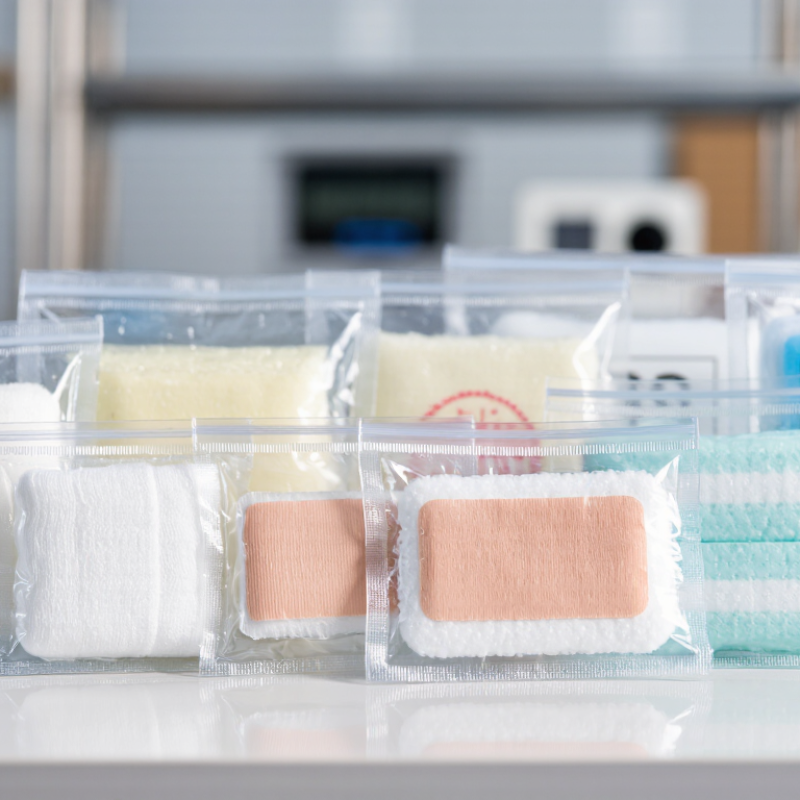
What Makes a Sterile Bandage Suitable for Long-Term Storage
A sterile bandage is suitable for long-term storage when its sterile barrier remains intact until use. The dressing alone does not determine shelf life. Packaging performance matters just as much.
In practical warehouse checks, inspectors examine sealed pouches for wrinkles, pinholes, and weak edges. Moisture can soften some materials and damage adhesive performance. Heat may accelerate aging, while sunlight can weaken packaging layers. Stable temperature and controlled humidity are essential. Storage instructions should be clear and realistic. A product stored near a loading door may face repeated temperature changes, even inside a clean facility.
Reliable shelf-life calculation combines real-time aging with accelerated aging studies. Samples are stored under defined conditions and tested at planned intervals. Testing should include sterility, package integrity, seal strength, absorbency, and adhesion. Distribution simulation can reveal damage caused by vibration, compression, or drops. Lot records and calibration data also support traceability.
Dates should come from validated evidence, not a simple formula. A neat expiry date can look convincing, yet it may hide weak assumptions. No storage study is perfect. Product teams should review complaints, inspection findings, and environmental records after release. If a pouch looks normal but its seal strength declines, visual inspection alone is not enough. Long-term safety depends on documented testing, trained personnel, and storage conditions that users can actually maintain.
China’s Top 10 Sterile Bandage Types and Their Main Uses
China’s top 10 sterile bandage types serve different wound-care needs.
Sterile gauze pads absorb blood from small cuts.
Gauze rolls secure larger dressings.
Nonwoven swabs reduce lint during cleaning.
Adhesive island dressings cover shallow surgical wounds.
Transparent film dressings protect intravenous catheter sites.
Foam dressings manage moderate exudate.
Hydrocolloid dressings support moist healing for light drainage.
Alginate dressings suit heavily exuding wounds.
Hydrofiber dressings control fluid in deeper cavities.
Silicone contact layers protect fragile skin during dressing changes.
The World Health Organization’s Global Guidelines for Surgical Site Infection Prevention stress clean wound coverage and appropriate postoperative care.
Market reports also show steady growth in advanced wound dressings, driven by aging populations and diabetes care.
Shelf life is not calculated from material age alone.
Manufacturers should confirm sterile barrier integrity, package strength, seal performance, and product stability under defined storage conditions.
ISO 11607 supports packaging validation for terminally sterilized medical devices.
Real-time aging remains the strongest evidence.
Accelerated aging can support early estimates, but it is not a perfect substitute.
That matters.
A dressing may look unchanged while its adhesive loses strength.
In practice, shelf life often depends on packaging, humidity, temperature, sterilization method, and storage handling.
A conservative date is safer than an attractive one.
Tips:
Store cartons away from heat, sunlight, moisture, and compression.
Check damaged seals before use.
Record lot numbers and expiry dates.
Do not extend shelf life because the package appears clean.
A small inspection step can prevent a large clinical mistake.
Some assumptions still need review.
Which Factors Determine a Sterile Bandage’s Shelf Life
China Top 10 Sterile Bandages: How to Calculate Shelf Life?
A sterile bandage’s shelf life depends on more than its production date. The main factors include the dressing material, adhesive stability, packaging strength, and sterilization method. Moisture, heat, oxygen, and light can gradually weaken these components. A package may look perfect, yet its seal could lose strength after repeated temperature changes. That risk deserves attention.
Manufacturers usually calculate shelf life through real-time and accelerated aging studies. These tests examine sterility, seal integrity, appearance, adhesive performance, and absorbency. Storage conditions also matter. A cool, dry room supports longer stability than a hot warehouse near windows. The final expiration period should be supported by documented test results, not a convenient estimate. In practice, calculations are rarely perfect. Small testing errors or unusual transport conditions may affect performance.
Tips:
Store sterile bandages in their original packaging. Avoid crushed cartons, damp shelves, and direct sunlight. Check the expiration date before use, but inspect the pouch too. A torn, swollen, or poorly sealed package should not be treated as sterile. Keep inventory records with batch numbers and storage temperatures. Regular reviews can reveal patterns that a single laboratory test might miss. Even reliable systems need improvement.
How to Calculate Sterile Bandage Shelf Life Step by Step
Calculating sterile bandage shelf life starts with defining the claim clearly. A 24-month expiry means the package must protect sterility and product performance for 24 months. Record the bandage material, adhesive, sterilization method, pouch structure, and storage conditions. Small details matter. A humid warehouse can damage packaging faster than a dry laboratory.
Run accelerated aging to estimate long-term effects. ASTM F1980 commonly uses this approach. The basic equation is AAT = RT divided by Q10 raised to the temperature difference divided by 10. For example, testing at 55°C instead of 25°C gives a factor of eight when Q10 equals 2. Three months may represent about 24 months of aging. This is only an estimate. Q10 is not universal, and choosing it without evidence weakens the result.
Inspect aged samples for seal strength, package leaks, label legibility, adhesive failure, and bandage flexibility. Perform microbial barrier testing and confirm sterilization records remain valid. Include real-time aging at the intended storage temperature, such as 25°C and controlled humidity. Compare every result with predefined acceptance limits. One practical mistake is testing only the bandage itself. The sterile barrier often fails first. If one seal peels, wrinkles, or opens during handling, investigate the cause before extending the expiry date. A shorter shelf life may be more reliable.
China Top 10 Sterile Bandages: How to Calculate Shelf Life Step by Step
| No. |
Sterile Bandage Type |
Common Materials |
Typical Sterilization Method |
Validated Shelf-Life Range |
Manufacture Date |
Validated Period Used |
Calculated Expiry Date |
Shelf-Life Calculation |
| 1 |
Sterile adhesive wound dressing |
Nonwoven backing, pressure-sensitive adhesive, absorbent pad |
Ethylene oxide (EO) |
3–5 years |
2026-01-15 |
5 years |
2031-01-15 |
Manufacture date + validated shelf-life = expiry date |
| 2 |
Sterile gauze pad |
Absorbent cotton or rayon/polyester blend |
Gamma irradiation or EO |
3–5 years |
2026-02-01 |
3 years |
2029-02-01 |
2026-02-01 + 36 months = 2029-02-01 |
| 3 |
Sterile non-adherent dressing |
Polyester or rayon mesh with petrolatum or silicone contact layer |
Gamma irradiation or EO |
3–5 years |
2026-02-20 |
5 years |
2031-02-20 |
2026-02-20 + 60 months = 2031-02-20 |
| 4 |
Sterile transparent film dressing |
Polyurethane film with acrylic adhesive |
Ethylene oxide (EO) |
3–5 years |
2026-03-05 |
3 years |
2029-03-05 |
2026-03-05 + 3 calendar years = 2029-03-05 |
| 5 |
Sterile island dressing |
Absorbent wound pad, nonwoven backing, adhesive border |
Ethylene oxide (EO) |
3–5 years |
2026-03-18 |
5 years |
2031-03-18 |
Manufacture date + 5 × 12 months = expiry date |
| 6 |
Sterile hydrocolloid dressing |
Gel-forming hydrocolloid particles, polyurethane film |
Ethylene oxide (EO) |
2–3 years |
2026-04-02 |
3 years |
2029-04-02 |
2026-04-02 + 36 months = 2029-04-02 |
| 7 |
Sterile foam dressing |
Hydrophilic polyurethane foam with film backing |
Ethylene oxide (EO) |
2–3 years |
2026-04-15 |
3 years |
2029-04-15 |
2026-04-15 + 3 years = 2029-04-15 |
| 8 |
Sterile alginate dressing |
Calcium alginate or calcium-sodium alginate fibers |
Gamma irradiation or EO |
2–3 years |
2026-05-01 |
3 years |
2029-05-01 |
2026-05-01 + 36 months = 2029-05-01 |
| 9 |
Sterile burn dressing |
Low-lint nonwoven or gauze carrier with moisture-retaining layer |
Ethylene oxide (EO) |
3–5 years |
2026-05-20 |
5 years |
2031-05-20 |
Manufacture date + validated 60-month period |
| 10 |
Sterile hemostatic dressing |
Oxidized cellulose, chitosan, or other absorbable hemostatic material |
Gamma irradiation or EO |
2–3 years |
2026-06-01 |
3 years |
2029-06-01 |
2026-06-01 + 3 calendar years = 2029-06-01 |
Step-by-step calculation rule:
- Confirm the product's validated shelf-life period from stability and packaging-integrity records.
- Identify the manufacture date printed on the batch record or packaging.
- Add the validated period in calendar months or years.
- Use the resulting date as the expiry date, subject to the applicable regulatory and labeling requirements.
- Do not extend shelf life based only on the sterilization method; sterility depends on validated packaging, sealing, storage, and process controls.
The shelf-life ranges and dates shown are representative calculation examples for common sterile dressing categories. The legally applicable expiry date must be supported by product-specific real-time or accelerated aging data, package integrity testing, sterilization validation, and the manufacturer's approved labeling.
Conclusion
This guide explains how to evaluate China’s top 10 sterile bandage types and choose suitable products for long-term storage. It covers common forms such as adhesive dressings, gauze pads, wound strips, nonwoven dressings, and specialized absorbent bandages, highlighting their typical medical uses and packaging requirements. A suitable sterile bandage should have an intact, moisture-resistant package, reliable sterilization, stable materials, and clear labeling.
It also answers the key question: How to calculate the shelf life of sterilized bandages? The process involves identifying the sterilization date, reviewing material stability data, considering packaging performance, and assessing storage conditions such as temperature, humidity, light, and handling. Expiration dates should be verified by comparing package labels with production and storage records. Regular inspections for damage, discoloration, moisture, or loss of seal integrity are essential to confirm that bandages remain safe and suitable for use throughout their stated shelf life.
 Nordi Medical
