Nordi Medical Nordi Medical

Why Choose Woven or Non-Woven Gauze for Your Needs?

Time:2026-08-15 Author:Oliver
0%

When selecting the right gauze for medical or industrial applications, understanding the differences in materials is crucial. What is the difference between woven and non-woven gauze? According to a recent report by Markets and Markets, the global gauze market is projected to reach $2.5 billion by 2026, reflecting the growing demand for both woven and non-woven options.

Woven gauze, made from interlaced fibers, is known for its durability and breathability. It is ideal for dressings that require long-term application. In contrast, non-woven gauze is typically produced from fibers bonded together, offering superior absorbency and softness. This makes it a preferred choice for surgical dressings and other applications requiring gentle contact with the skin.

While both types of gauze serve vital functions, their selection should be based on specific needs. Factors like injury type, moisture control, and application duration are critical. Industry experts emphasize the importance of these choices, as the wrong type can lead to complications. Understanding these differences will empower users to make informed decisions.
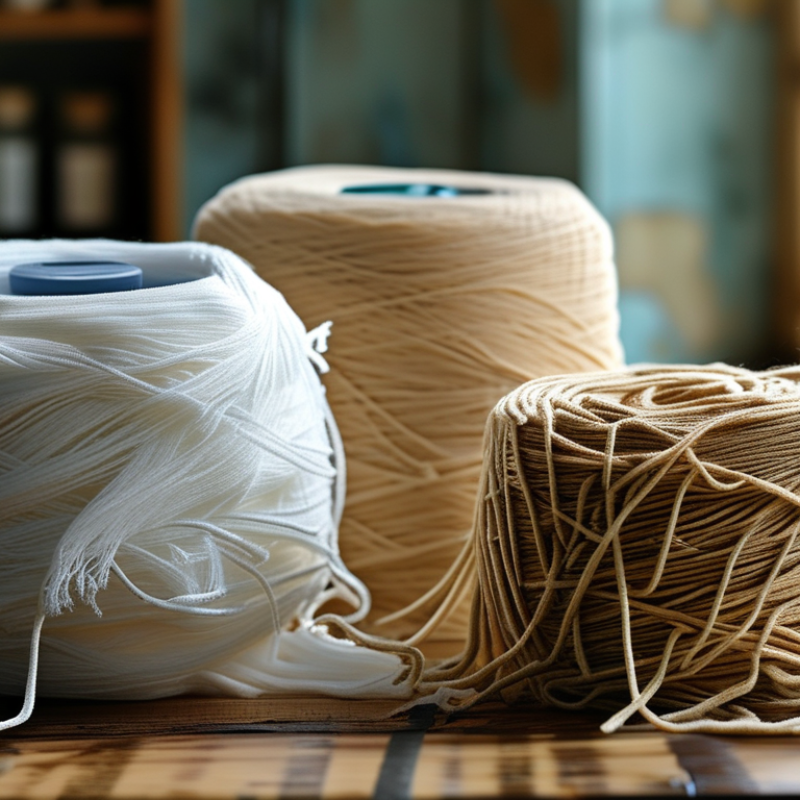
Why Choose Woven or Non-Woven Gauze for Your Needs?

Overview of Woven and Non-Woven Gauze

When choosing between woven and non-woven gauze, it’s essential to consider their unique properties. Woven gauze consists of interlaced fibers, creating a durable fabric. This structure allows excellent airflow and is ideal for applications requiring strength. It’s often used in surgical dressings and other medical applications where resilience is crucial. The soft texture also benefits patient comfort.

On the other hand, non-woven gauze is made from fibers bonded together through various processes. This type of gauze provides superior absorbency and is often preferred for wound care. It often adapts better to the contours of the body, aiding in healing. Its lightweight nature can lead to more frequent changes, which may not always be convenient. Understanding these characteristics helps in making informed choices, ensuring the best care for specific needs. Each type has strengths and weaknesses that should be considered in practice.

Key Characteristics of Woven Gauze

When considering gauze options, woven gauze stands out for several reasons. One of its main characteristics is the interlaced structure, which enhances durability and strength. A report by the American Society for Testing and Materials indicates that woven materials can withstand higher tensile stress than their non-woven counterparts, making them ideal for medical applications. Healthcare professionals often rely on woven gauze for procedures that require more robust support.

The breathable nature of woven gauze also plays a crucial role in infection control. According to studies published in the Journal of Wound Care, woven gauze allows for better air circulation, which helps in moisture management and reduces the risk of bacterial growth. This characteristic significantly promotes healing, especially in surgical or wound care environments.

**Tips:** Consider your specific needs when choosing gauze. Woven gauze may be preferable for high-stress wounds. For less critical applications, you might explore non-woven options. Remember that not all environments are the same; sometimes, woven gauze might not be the best choice depending on the circumstances. Evaluate each situation carefully to ensure optimal healing outcomes.

Why Choose Woven or Non-Woven Gauze for Your Needs? - Key Characteristics of Woven Gauze

Characteristic Woven Gauze Non-Woven Gauze
Material Composition Cotton or other natural fibers Synthetic fibers or polymers
Breathability Highly breathable Less breathable than woven
Absorbency Excellent absorbency Moderate absorbency
Durability Strong and durable Less durable, can tear easily
Sterilization Can be sterilized effectively Often pre-sterilized
Application Ideal for surgical use Used for general wound care

Key Characteristics of Non-Woven Gauze

Non-woven gauze is increasingly favored in medical settings for its unique characteristics. This material is made through methods such as bonding fibers using heat or chemicals. As a result, non-woven gauze offers superior absorbency compared to traditional woven gauze. Studies indicate it can absorb up to 5 times its weight in fluid, providing better performance in wound care.

Another notable feature of non-woven gauze is its sterility. Many types come pre-sterilized, ensuring patients receive safe treatment. A report by the American Journal of Infection Control highlighted that using sterile non-woven materials significantly reduces infection rates. In addition, non-woven gauze is softer and more comfortable for patients. This is crucial for long-term dressings where comfort and breathability are essential.

However, non-woven gauze has its drawbacks. It may not tear as easily as woven gauze, making handling difficult in some cases. Some professionals report that improper disposal can lead to waste management issues. Balancing the benefits and challenges of non-woven gauze is essential for effective medical practices and patient care.

Comparison of Woven and Non-Woven Gauze

Comparative Advantages of Woven vs Non-Woven Gauze

When choosing between woven and non-woven gauze, it’s essential to understand their unique advantages. Woven gauze has a classic texture and structure, making it the preferred choice for many healthcare applications. Its fabric is breathable, allowing air to circulate and promoting healing. Woven gauze can withstand repeated sterilization, making it reliable for surgical settings. The durability of woven gauze means that it can be used multiple times, reducing waste.

In contrast, non-woven gauze offers its own set of benefits. It is typically more absorbent and can be produced in various thicknesses. This material is ideal for situations that require rapid absorption of fluids. Non-woven gauze is often more flexible, conforming better to body contours. This feature provides enhanced comfort for patients. However, it may not hold up as well under repeated sterilization, which could raise concerns about its long-term use.

Both types have merits and drawbacks. A facility may find woven gauze preferable for certain surgical applications, while non-woven gauze might excel in post-operative care. Understanding these nuances can guide proper selection based on specific needs. Adjusting your choice based on the situation can lead to better patient outcomes.

Typical Applications for Woven and Non-Woven Gauze

When deciding between woven and non-woven gauze, it's important to consider their specific applications. Woven gauze is known for its durability and breathability. This makes it suitable for surgical dressings and wound care. Its texture allows for better moisture control, which is critical in preventing infection. In contrast, non-woven gauze offers superior absorbency. This is ideal for managing heavy exudates and can be found in products like sponges and pads.

Tips for selection: If your application involves heavy drainage, opt for non-woven gauze for optimal absorption. However, if you require a breathable dressing, woven gauze is your best bet.

Another consideration is ease of use. Woven gauze can be cut and shaped as needed, making it versatile for various wounds. However, it may fray, compromising its efficacy. Non-woven gauze, on the other hand, tends to hold its shape but may not provide the same level of breathability. So, reflect on your specific needs before making a choice.

FAQS

: What is the main characteristic of woven gauze?

: Woven gauze has an interlaced structure that enhances its durability and strength.

Why is breathability important in woven gauze?

Breathability promotes air circulation, which aids in moisture management and reduces infection risks.

When should I use woven gauze?

Use woven gauze for high-stress wounds or surgical dressings to ensure robust support.

What are the applications of non-woven gauze?

Non-woven gauze is great for managing heavy drainage due to its superior absorbency.

Can woven gauze be cut and shaped?

Yes, woven gauze can be easily cut and shaped for various wound sizes.

What is a potential downside of woven gauze?

Woven gauze can fray, which may compromise its effectiveness.

How does woven gauze compare to non-woven gauze in breathability?

Woven gauze offers better breathability than non-woven options, making it favorable for certain applications.

Should I always choose woven gauze for wounds?

Not necessarily. Assess the wound type and drainage level to determine the best option.

Is moisture control a feature of both gauze types?

While woven gauze excels in moisture control, non-woven gauze focuses on absorbency.

What factors should I consider when selecting gauze?

Consider durability, breathability, and the specific needs of your wound or application.

Conclusion

When considering what is the difference between woven and non-woven gauze, it is important to understand their distinct characteristics and applications. Woven gauze is made from interlaced fibers, providing excellent durability and breathability, making it suitable for applications requiring strong support and moisture management. Conversely, non-woven gauze, formed through processes like bonding or felting, offers better absorbency and a softer feel, making it ideal for sensitive wounds or as a protective barrier.

Both types of gauze have unique advantages depending on their intended use. Woven gauze is often favored in surgical settings for its structural integrity, while non-woven gauze is commonly used for dressings and cleansing. Understanding these differences allows users to select the appropriate type of gauze for their specific needs, ensuring optimal performance in medical and everyday applications.

Oliver

Oliver

Oliver is a seasoned marketing professional with a wealth of expertise in driving brand awareness and engagement. With a deep understanding of our company's product offerings, he consistently delivers high-quality content that enriches our professional blog. His insights not only shed light on......