Nordi Medical Nordi Medical

How to Choose Paper or Plastic Tape for Wound Care in 2026

Time:2026-11-09 Author:Charlotte
0%

Choosing the right tape can help keep a wound dressing in place without adding unnecessary discomfort. Paper tape is often a practical option for delicate or easily irritated skin, while plastic tape may offer a firmer hold around areas that move or face occasional splashes. Neither type suits every wound or every person. Skin condition, body location, dressing weight, and how often the dressing needs changing all matter.

Paper tape vs. Plastic tape for wound dressing fixation. The choice is less about finding one universal winner and more about matching the tape to the task. A light gauze pad on an older person’s forearm may need a gentler adhesive than a bulky dressing near a knee. Check the product label for intended use, skin sensitivity guidance, and removal instructions. A small patch test may help identify irritation, though it cannot guarantee a reaction will not occur later. Watch for persistent redness, itching, pain, or blistering, and seek professional advice if these appear.

Details matter. Damp skin, body hair, and repeated removal can weaken adhesion or make removal uncomfortable. Plastic tape may resist moisture better, but that does not mean it should cover every wound or stay on indefinitely. Paper tape may feel gentler, yet it can loosen sooner in humid conditions. That trade-off is easy to overlook. This guide compares practical features, limitations, and safe application habits, while recognizing that wound type and individual care instructions should guide the final choice.
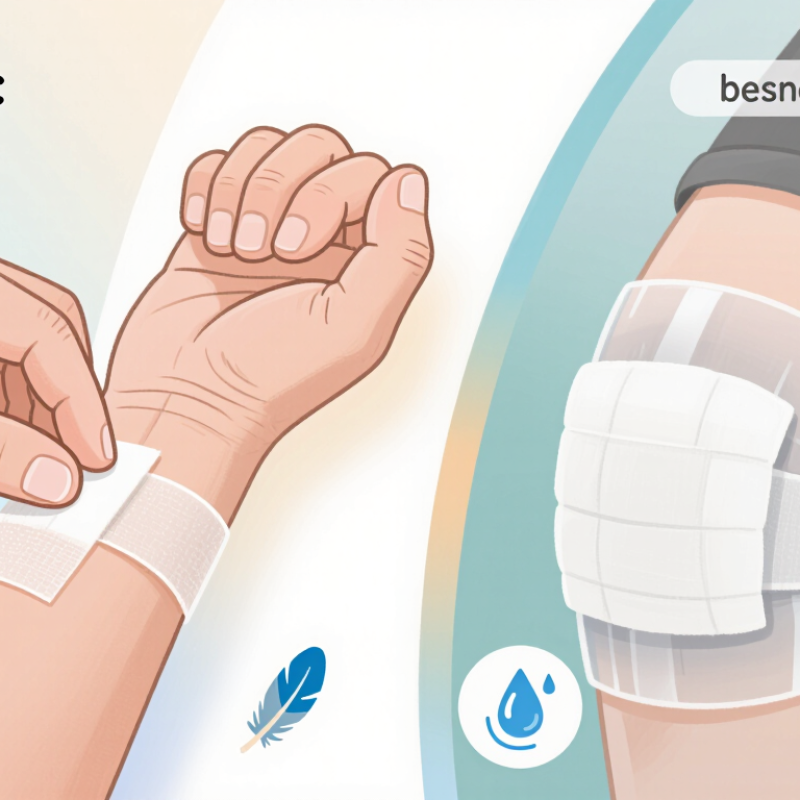
How to Choose Paper or Plastic Tape for Wound Care in 2026

Assess the Wound and the Surrounding Skin

Before choosing paper or plastic tape, inspect the wound and the skin around it. Note the wound’s size, location, drainage, and whether the edges look fragile or macerated. Check for redness, swelling, warmth, and pain. Look closely. These details help determine how much securement is needed and how gently tape must be removed. Paper tape is often a gentler option for delicate skin, while plastic tape may suit situations needing stronger fixation or greater moisture resistance. Neither is right for every wound.

Assess the surrounding skin, too. Is it dry, thin, bruised, sweaty, or already irritated? Avoid placing adhesive over damaged skin when possible, and reassess after removal. The International Skin Tear Advisory Panel’s 2018 prevalence review reported skin-tear rates from 3.3% to 22% across acute-care settings; rates varied by setting and study methods. This highlights the vulnerability of some patients, not a direct comparison of tape types. A small patch test may help, though it cannot guarantee a reaction-free result. Skin can change from day to day.

Tips: Use the least adhesive strength that keeps the dressing in place. Apply tape without stretching the skin, and remove it slowly while supporting the surrounding area. If irritation, blistering, or worsening pain appears, stop and seek guidance from a qualified clinician.

Compare Paper and Plastic Tape Properties

Paper tape is usually lightweight, porous, and easy to tear by hand. Air can pass through it, which may help reduce trapped moisture under a dressing. It often suits frequent dressing changes or delicate areas, though removal can still irritate fragile skin. Small details matter. Sweat, body hair, and movement can weaken its hold.

Plastic tape is typically smoother and more resistant to moisture, with a firmer grip on clean, dry skin. Its transparency can make it easier to see the dressing edge, but it does not always allow as much airflow. On a warm, sweaty wrist, for example, the edges may lift or the skin may feel damp. Neither material performs the same on every person. That trade-off is easy to overlook.

Match the tape to the dressing’s weight, the body site, and how often it needs changing. Apply it to intact skin, not directly over the wound, and avoid pulling it tight. If skin becomes sore, blistered, or persistently red, remove the tape gently and seek advice from a healthcare professional. I would not assume “gentler” means irritation-free; a small test on nearby skin can reveal a reaction.

Match Tape Type to Wound Care Needs

How to Choose Paper or Plastic Tape for Wound Care in 2026

Match Tape Type to Wound Care Needs

Choose tape based on the skin around the wound, dressing weight, and how often it must be changed. Paper tape is breathable, easy to tear, and often a practical choice for light dressings or delicate skin. It may loosen sooner when exposed to sweat or moisture. That can be frustrating. Plastic tape can hold more firmly and some types resist water, but it may feel less breathable. Check the product label, since materials and performance vary.

Think about removal, too. Frequent dressing changes can make strong adhesion uncomfortable, especially for older adults or people with fragile skin. Paper tape may be easier to remove for some, but not everyone finds it gentle. There is no perfect choice for every wound. If tape repeatedly damages skin, the wound is worsening, or you are unsure what dressing to use, ask a healthcare professional for guidance.

Apply and Remove Tape Safely

Paper tape is often a gentler choice for fragile skin or frequent dressing changes. Plastic tape may hold more firmly and resist moisture, but can feel less comfortable on sensitive areas. Match the tape to the dressing, the body site, and your skin—not just the package description. If you are unsure, ask a clinician, especially when caring for a surgical wound.

Apply tape to clean, dry skin, not directly over the wound. Smooth it down without pulling the skin tight; tension can cause irritation when you move. Leave enough room for the dressing to cover the wound fully. Check the edges after a few minutes. A corner lifting near a joint may need repositioning, not extra layers that trap sweat.

To remove tape, loosen one edge and peel slowly, low and parallel to the skin. With your other hand, support the skin just ahead of the tape. Pause if it hurts or the skin starts to pull. Warm water or a suitable adhesive remover may help, but follow the product directions and avoid getting remover into the wound. Skin can be surprisingly sensitive. Redness that persists, blistering, or new pain deserves attention from a healthcare professional. I would not assume that “gentle” tape suits everyone; even paper tape can irritate some skin.

Monitor Skin and Replace Tape as Needed

How to Choose Paper or Plastic Tape for Wound Care in 2026
Monitor Skin and Replace Tape as Needed

Paper tape may suit delicate skin, while plastic tape can hold more securely when moisture or movement is a concern. Neither choice is harmless for every person. Check the skin at each dressing change and whenever tape becomes wet, dirty, loose, or uncomfortable. Published clinical reports estimate medical adhesive-related skin injury rates at 3.4%–25%, with variation across patient groups and study definitions (McNichol et al., Journal of Wound, Ostomy and Continence Nursing, 2013). The range is wide. That uncertainty is worth remembering.

Look for redness, swelling, blisters, skin tears, or new tenderness around the taped area. Remove tape slowly, keeping it close to the skin and supporting the skin with your other hand. Do not pull. If the dressing is still clean and secure, avoid replacing tape just to make it look fresh; unnecessary removal can add friction. Follow the wound-care professional’s instructions and the dressing’s guidance.

McNichol and colleagues define adhesive-related skin injury as skin changes that persist for 30 minutes or longer after adhesive removal. Persistent redness matters. So do broken skin or worsening pain. Pause use of the same adhesive and ask a clinician to assess the area, especially for fragile skin, reduced sensation, or poor circulation. A simple skin check can be missed on a busy day; build it into every dressing change.

How to Choose Paper or Plastic Tape for Wound Care in 2026 - Monitor Skin and Replace Tape as Needed

Consideration Paper Tape Plastic Tape Practical Guidance
Typical properties Usually lightweight and breathable; may be easier to tear by hand. Often more resistant to water and may provide a firmer hold, depending on the product. Check the product instructions. Performance varies by tape construction and adhesive.
Common use Securing lightweight dressings, especially when frequent dressing changes are expected. Securing dressings when extra hold or some resistance to splashes is useful. Choose based on the dressing, wound location, activity, and care instructions—not tape type alone.
Sensitive or fragile skin May be a suitable option for some people, but paper tape can still irritate or injure skin. Adhesion and removal feel vary; a stronger hold may be uncomfortable on fragile skin. For a history of adhesive reactions or fragile skin, ask a clinician about an appropriate tape or alternative securement method.
Moisture and bathing May loosen when wet; it is generally not a waterproof barrier. Some types resist splashes, but tape alone should not be assumed to make a dressing waterproof. Follow wound-care and product instructions for bathing. Replace a wet or compromised dressing as directed.
Application Apply to clean, dry surrounding skin; press gently without stretching the skin. Apply to clean, dry surrounding skin; avoid pulling the tape tight. Do not place adhesive directly on the wound unless a clinician or product instructions specifically say to do so.
Removal Remove slowly; support the skin near the tape as it lifts. Remove slowly; if it sticks, follow product guidance or ask a clinician about safe removal. Peel low and slowly, in the direction of hair growth where practical. Do not pull sharply upward.
When to replace Replace when loose, wet, dirty, or no longer holding the dressing securely, or when the dressing needs changing. Use the same criteria; water resistance does not mean it should stay on when the dressing is compromised. There is no universal replacement interval. Follow the care plan and product directions; avoid unnecessary changes that may irritate skin.
Skin monitoring Check exposed skin for redness, itching, burning, blistering, or skin stripping. Check exposed skin for the same signs, particularly after removal or repeated use. Stop using the tape and seek clinical advice if a reaction develops or skin is damaged.
Seek medical advice Tape choice does not replace wound assessment or treatment. Contact a healthcare professional for worsening pain, spreading redness, warmth, swelling, pus, fever, or a wound that is not healing as expected.

General information only: follow the dressing and tape instructions and any individualized advice from a healthcare professional.

FAQS

What is the main difference between paper and plastic tape?

Paper tape is lightweight, porous, and often tears by hand. Plastic tape is smoother and usually grips clean, dry skin more firmly.

Which tape may suit delicate skin?

Paper tape may be a gentler option for delicate areas or frequent dressing changes. But “gentler” does not mean irritation-free.

When might plastic tape lose its hold?

Sweat, moisture, and movement can loosen its edges. A warm, sweaty wrist is one example.

Where should I apply medical tape?

Apply it to intact skin around the dressing, not directly over the wound. Do not pull it tight.

When should tape be checked or replaced?

Check it at each dressing change and if it becomes wet, dirty, loose, or uncomfortable. No need to replace secure tape just for appearance.

How can I remove tape with less pulling?

Peel it slowly and keep it close to the skin. Support the nearby skin with your other hand. Do not pull.

What skin changes should I watch for?

Look for redness, swelling, blisters, skin tears, or new tenderness. Persistent redness matters.

What should I do if the skin becomes sore or stays red?

Pause use of the same adhesive and ask a healthcare professional for advice. I might miss a small change on a busy day, so checking each time helps.

How common are adhesive-related skin injuries?

Published reports estimate rates from 3.4% to 25%, depending on the people studied and how injuries were defined. That range is wide.

Conclusion

Choosing the right tape for wound care in 2026 begins with assessing the wound and the surrounding skin. Consider whether the skin is sensitive, fragile, oily, or exposed to moisture, and how often the dressing needs to be changed. Paper tape is generally lightweight and breathable, making it a suitable option for delicate skin or frequent dressing changes. Plastic tape is typically more water-resistant and can provide a firmer hold, which may be useful when a dressing needs extra security.

Paper tape vs. Plastic tape for wound dressing fixation comes down to matching the tape’s properties to the person’s skin and care needs. Apply tape to clean, dry skin without stretching it, and avoid placing it too tightly over the wound. Remove it slowly and gently, supporting the skin as you peel. Check the area regularly for redness, discomfort, or irritation, and replace the tape whenever it loosens, becomes soiled, or no longer holds the dressing securely.

Charlotte

Charlotte

Charlotte is a seasoned marketing professional with a deep understanding of the company's portfolio and a passion for elevating its presence in the market. With a keen eye for detail and a commitment to excellence, she ensures that our professional blog is regularly updated with insightful articles......