 Nordi Medical
Nordi Medical
Nordi Medical
Exporting medical dressings involves a detailed understanding of regulatory requirements. Businesses must navigate various certifications to ensure compliance with international standards. This process raises the question, "What certifications are required for exporting medical dressings?"
Certification requirements can vary by country and region. Regulatory bodies like the FDA in the United States, or the European Medicines Agency in Europe, have stringent guidelines. Each certification serves to verify quality, safety, and effectiveness. Companies may face challenges in meeting these standards. Not every manufacturer is familiar with the intricate details of these requirements.
Understanding the landscape of medical dressing exports is crucial for success. Many companies may skip proper certifications, leading to legal complications. It's essential to research thoroughly and seek guidance from experts in the field. Building a reliable pathway for compliance can prevent costly setbacks. Engaging with professional consultants can provide clarity on current regulations and certifications.
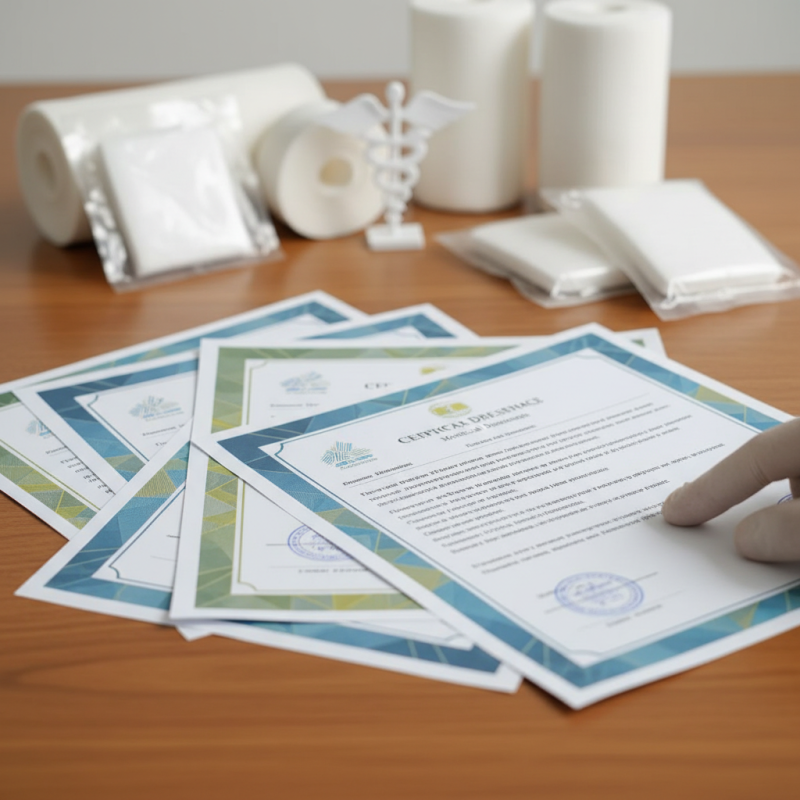
Medical dressings come in various forms, each designed for specific treatment needs. Common types include adhesive bandages, foam dressings, hydrocolloid dressings, and gauze. Adhesive bandages are ideal for minor wounds and offer a protective barrier. Foam dressings are absorbent, making them suitable for wounds with exudate. Hydrocolloid dressings create a moist environment for healing and are comfortable for patients. Gauze is versatile, often used for cleaning and covering wounds.
Exporting these medical dressings requires a clear understanding of regulations and certifications. Each dressing type may fall under different standards depending on the materials used. Some may need biocompatibility testing to ensure safety for patients. Additionally, importers often require documentation to verify compliance with their local medical equipment regulations. Failure to meet these requirements can lead to delays or rejections in the export process.
Classifying medical dressings is essential for proper licensing. However, some exporters might overlook certain details, leading to compliance issues. It’s crucial to stay updated on changing regulations in different markets. While the process can be straightforward for well-informed exporters, there are often unforeseen challenges. Awareness of these potential pitfalls can help ensure smoother transactions in the evolving landscape of medical exports.
| Type of Medical Dressing | Common Certifications Required | Export Regions |
|---|---|---|
| Adhesive Bandages | ISO 13485, CE Mark | Europe, North America |
| Gauze Dressings | ISO 9001, FDA Approval | Asia, Middle East |
| Hydrocolloid Dressings | ISO 13485, CE Mark | Europe, Australia |
| Transparent Film Dressings | FDA Approval, CE Mark | North America, Europe |
| Foam Dressings | ISO 13485, Health Canada License | Canada, South America |
: Key certifications include ISO 13485, CE marking for Europe, and FDA approval for the U.S. market.
ISO 13485 ensures a quality management system specifically for medical devices. It is vital for market access.
Continually update quality management systems. Engage with regulatory bodies for clarifications and guidance regularly.
Proper documentation demonstrates compliance. Keep backups organized to avoid delays and added costs.
Non-compliance can lead to financial losses and a damaged reputation. It's critical to prioritize adherence.
No, compliance requires ongoing assessment. Initial compliance isn't sufficient; continuous quality checks are essential.
Proper labeling is essential. It should inform users about the dressing's intended use and instructions.
Every batch must be verified for sterility and material integrity. Rigorous testing helps ensure safety and effectiveness.
Manufacturers should follow industry reports and join trade associations. These provide valuable resources on regulatory changes.
Some manufacturers may assume initial compliance is enough. Continuous improvement and assessment are crucial for reliability.
Exporting medical dressings requires an understanding of various certifications and regulations to ensure compliance and safety. Key aspects include identifying the types of medical dressings commonly exported, which range from simple bandages to advanced wound care products. Essential regulatory agencies oversee the export process, enforcing standards to protect health and safety.
When considering "What certifications are required for exporting medical dressings?" it is crucial to recognize the key certifications such as ISO9001, CE marking, and FDA approval for specific markets. These certifications ensure that the products meet quality standards and regulations. Additionally, proper documentation and procedures are vital to facilitate the export process, ensuring all necessary paperwork is in order for a smooth transition across borders. Thus, a thorough understanding of these elements is vital for successful exportation of medical dressings.
