Hydrocolloid dressings are becoming increasingly popular in burn care. They offer unique benefits that can improve healing outcomes for patients. Dr. Emily Chen, a burn care specialist, emphasizes, “Hydrocolloid dressings provide a moist healing environment, crucial for burns.”
What are the benefits of using hydrocolloid dressings on burns? These advanced dressings act as a barrier against infection while keeping the wound hydrated. This moisture helps to promote faster healing and can reduce pain. Additionally, hydrocolloid dressings are flexible and adhere closely to the skin, allowing for increased mobility.
While these dressings have advantages, they also require careful application. If not placed correctly, they can trap moisture leading to maceration. However, with proper training, healthcare providers can effectively utilize these dressings. Understanding their characteristics is vital for patient care. As the medical community continues to advance, hydrocolloid dressings may transform the standard for managing burn injuries.
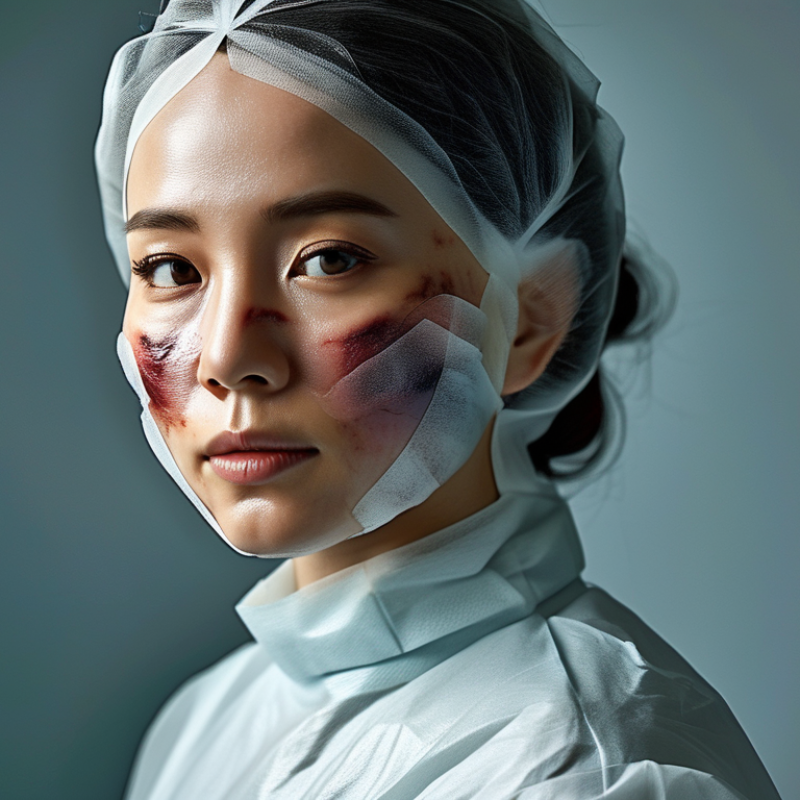
Introduction to Hydrocolloid Dressings in Burn Care
Hydrocolloid dressings play a crucial role in burn care. These dressings consist of gel-forming agents that create a moist environment. This moist environment is essential for wound healing. Unlike traditional dressings, hydrocolloid dressings adhere well to the skin. They also protect the wound from external contaminants. It minimizes infection risks significantly.
When using hydrocolloid dressings, consider the wound type and severity. Proper assessment is critical. A clean and dry skin area is necessary for adhesion. Change the dressing regularly to promote healing. Sometimes, you may notice some leakage. This can be a sign to replace the dressing sooner.
Hydrocolloid dressings are not a one-size-fits-all solution. Listen to your body and adjust as needed. Monitor for any signs of infection or irritation. Consult healthcare professionals if you have concerns. Your healing journey should be tailored to your unique needs.
Understanding the Composition and Function of Hydrocolloid Dressings
Hydrocolloid dressings are gaining attention in burn care due to their unique composition. These dressings consist of a gel-forming agent, often combined with other materials like adhesive and waterproof backing. The gel provides a moist environment, crucial for promoting healing. Hydrocolloids can help in autolytic debridement, breaking down dead tissue naturally. This reduces the need for invasive procedures, making treatment more comfortable for patients.
When using hydrocolloid dressings, proper application is key. Ensure the wound is clean and dry before placing the dressing. This will enhance adherence and effectiveness. Change the dressing as recommended, especially if it becomes saturated. Doing so prevents infection and promotes better healing outcomes.
Hydrocolloid dressings also offer pain relief. The moist environment they create soothes nerve endings, reducing discomfort. However, practitioners should monitor for any signs of skin irritation. Not all patients may respond the same way to hydrocolloid dressings. Adjustments may be necessary for optimal care. Understanding these nuances is essential for effective burn management.
The Moisture-Retention Benefits of Hydrocolloid Dressings
Hydrocolloid dressings are beneficial in burn care, primarily due to their moisture-retention properties. These dressings create a moist environment, essential for wound healing. Moisture is critical; it facilitates autolytic debridement and speeds up skin regeneration. This process can lessen pain and enhance comfort for patients. Moreover, the dressing acts as a barrier against external contaminants while maintaining this ideal moisture level.
When using hydrocolloid dressings, it’s important to clean the burn area gently. This practice reduces the risk of infection. Note that these dressings can be less effective on heavily exuding wounds. Monitoring the moisture level is crucial. If the dressing becomes oversaturated, it may need replacing sooner than expected.
Many find hydrocolloid dressings less versatile than anticipated. They often struggle with the removal process, leading to discomfort. Users might experience an initial stinging sensation. Adjusting how long you leave the dressing on could help. Assessing the wound regularly encourages a more comfortable healing experience. Always remember that every burn is unique, so what works for one person might not suit another.
Promoting Faster Healing: The Role of Hydrocolloid Dressings
Hydrocolloid dressings play a crucial role in promoting faster healing for burn care. These dressings create a moist wound environment. This environment accelerates the healing process and reduces pain. In a study published in the Journal of Burn Care & Research, patients using hydrocolloid dressings reported a 30% faster healing time compared to traditional methods. The moist environment helps to facilitate autolytic debridement by allowing the body to clean the wound naturally.
Moreover, hydrocolloid dressings reduce the risk of infection. The dressing forms a barrier, protecting burns from external contaminants. According to a 2019 report from the Wound Care Society, injuries managed with hydrocolloid dressings had a 50% lower infection rate. This protection enhances comfort for patients. Many experience less pain and fewer dressing changes, leading to improved quality of life during recovery. However, it is essential to monitor the wound closely, as some patients might experience excessive exudate buildup, requiring timely intervention.
The visibility of the wound is another advantage. Hydrocolloid dressings are semi-transparent, allowing healthcare professionals to assess the healing progress without removal. This is a significant benefit in busy clinical settings. Yet, some practitioners express concerns about potential skin irritation around the edges. Regular evaluation of the dressing's fit is crucial to mitigate this issue and ensure optimal healing conditions.
Top 5 Benefits of Hydrocolloid Dressings for Burn Care
Hydrocolloid dressings are widely used in burn care due to their numerous benefits. The chart below illustrates the top five benefits and their respective effectiveness based on clinical findings.
Reducing Pain and Discomfort with Hydrocolloid Dressings in Burn Treatment
Hydrocolloid dressings are revolutionizing burn care, particularly in pain management. These dressings create a moist environment that promotes faster healing. By keeping the wound hydrated, they reduce the occurrence of scabs, leading to less irritation. Patients often report a significant decrease in pain levels after switching to hydrocolloid options.
These dressings can also minimize the discomfort associated with changing a bandage. Traditional dressings can stick to the wound, causing pain upon removal. Hydrocolloids, however, adhere gently and can be removed without disturbing the healing tissue. This gentle removal process is crucial for burn patients who may already be experiencing substantial pain.
Moreover, hydrocolloid dressings can act as a barrier against external factors that can exacerbate pain. They protect the wound from friction and pressure, reducing further discomfort. While hydrocolloids are not a perfect solution for everyone, many healthcare professionals suggest that their benefits, particularly in pain reduction, significantly enhance the overall treatment experience for burn patients.
FAQS
: Hydrocolloid dressings are primarily used in burn care. They create a moist environment essential for healing.
They accelerate healing by facilitating autolytic debridement and reducing pain, creating an ideal moist environment.
Clean and dry the skin before application. Ensure proper adherence to maximize effectiveness against contaminants.
Leakage may indicate that the dressing needs to be changed sooner. Monitor the wound closely.
No, they are not suitable for all wounds. Individual assessments are vital for optimal care.
Some users report discomfort during removal or a stinging sensation. Adjust timing for comfort.
Change the dressing regularly and monitor for oversaturation. This promotes better healing and comfort.
They reduce infection risks significantly but require monitoring for exudate buildup and skin irritation.
Hydrocolloid dressings are semi-transparent, allowing for wound assessment without removal.
Regularly check the dressing’s fit. If irritation is noticed, consult a healthcare professional for advice.
Conclusion
Hydrocolloid dressings have emerged as a valuable tool in burn care, offering several significant benefits. What are the benefits of using hydrocolloid dressings on burns? Firstly, their unique composition allows for excellent moisture retention, creating a conducive environment for healing by preventing desiccation and promoting tissue regeneration. Additionally, these dressings support faster healing processes by maintaining optimal wound conditions that encourage cell growth and repair.
Another key advantage lies in the pain relief they provide. Hydrocolloid dressings form a protective barrier that reduces exposure to external irritants, thereby alleviating discomfort associated with burns. This multifaceted approach not only supports physical healing but also enhances patient comfort, making hydrocolloid dressings an essential component in effective burn treatment strategies.
 Nordi Medical
