 Nordi Medical
Choosing a compression bandage for lymphedema is not a simple contest of pressure ratings. The right option depends on the affected limb, swelling severity, skin condition, mobility, and treatment phase. A wrap that feels supportive on one person may cause discomfort or poor fit on another. Fit matters.
Which bandage provides the best compression for lymphedema? In many intensive treatment plans, clinicians use multilayer, short-stretch bandaging to help manage swelling between appointments. Its effectiveness depends on skilled application, suitable padding, and regular checks—not just the product label. Professor Hugo Partsch, a leading compression-therapy researcher, has emphasized that compression is central to managing lymphatic disorders. A practical paraphrase of his work is: “Compression must be matched to the person and the condition.” That distinction matters when comparing bandages.
This guide explores 2026 options, including short-stretch wraps, adjustable compression wraps, and reusable systems. It will consider pressure consistency, ease of use, comfort, and fit around areas such as the ankle or hand. A caregiver’s ability to reapply a wrap can matter, too. So can heat, fragile skin, and changes in limb size during the day. No single bandage suits everyone. A qualified lymphedema clinician can assess fit and application, especially when swelling changes or the wrap causes pain, numbness, or skin irritation. Real-world comfort counts. The best choice is one that supports the care plan and can be used safely and consistently.
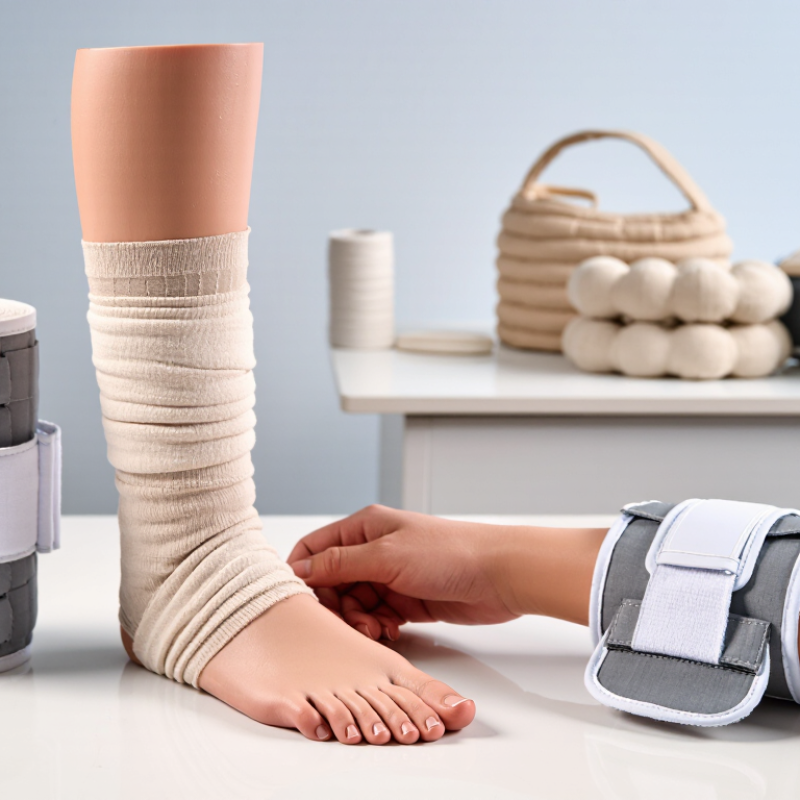
2026 Top Compression Bandages for Lymphedema?
Compression bandages support lymphedema management by applying measured pressure to an affected limb. This can help limit fluid buildup and support the movement of lymph fluid during daily activity. The effect depends on correct application, suitable materials, and individual needs. More pressure is not automatically better.
A clinician may recommend multilayer bandaging as part of complete decongestive therapy, often alongside movement, skin care, and other treatments. Short-stretch bandages are commonly used because they provide resistance when muscles contract. Fit matters. Wrapping should feel secure, not painful or restrictive. New numbness, unusual pain, or changes in skin color or temperature warrant prompt advice from a healthcare professional. Bandaging can also feel awkward at first, and it may take practice to manage comfortably.
Tips: Ask a trained clinician to demonstrate wrapping and check the fit. Keep the skin clean and moisturized, and look for irritation or pressure marks when the bandages come off. Follow the care plan rather than copying someone else’s technique; limbs and circulation differ. If the routine feels difficult, say so. Small adjustments may make it more manageable.
| Bandage option | How it supports management | Common use | Potential advantages | Important considerations |
|---|---|---|---|---|
| Short-stretch bandages | Provide relatively low resting pressure and greater resistance when the muscles expand during movement, when applied with appropriate technique. | Often used as part of clinician-guided intensive decongestive treatment to help reduce limb swelling. | Can be layered and tailored to limb shape; may support movement-related muscle pumping. | Application skill matters. Incorrect tension, wrinkles, or uneven padding can cause discomfort or skin injury. |
| Multilayer compression bandaging | Combines padding and compression layers to provide a structured wrap and help manage swelling. | May be selected for the intensive phase of lymphedema care, according to the person’s assessment and treatment plan. | Layering can help protect vulnerable areas and accommodate some differences in limb contour. | The number and type of layers vary by system and clinical need. A trained practitioner should determine fit and application. |
| Adjustable compression wraps | Use adjustable straps or panels to provide compression; the fit can be readjusted as limb size changes. | May be considered for selected people during swelling reduction or ongoing management, depending on fit and ability to use the wrap. | Can be easier to remove and reapply than layered bandages for some users; adjustability can help accommodate day-to-day changes. | Requires correct sizing, instruction, and regular skin checks. Suitability depends on limb shape, dexterity, comfort, and clinical advice. |
| Padding and protective liners | Help protect the skin and distribute pressure beneath a compression bandage or wrap. | Used as supporting components when recommended by a lymphedema clinician. | Can help reduce friction and cushion areas that need extra protection. | Padding or a liner alone is not a substitute for a prescribed compression system. |
Selection and compression level should be based on an individual assessment by a qualified lymphedema or compression-care professional. Bandaging is commonly used during swelling reduction; a fitted compression garment may be recommended for long-term maintenance. Seek medical advice before compression if you have circulation problems, reduced sensation, fragile or infected skin, or new pain, numbness, color change, or worsening swelling.
They apply measured pressure to an affected limb, which may limit fluid buildup and support lymph fluid movement during activity.
Short-stretch bandages are commonly used. They provide resistance as muscles contract and relatively low pressure at rest.
It should feel secure, not painful or restrictive. More pressure is not automatically better.
It may combine soft padding and several bandage layers. Padding can protect bony areas, such as the ankle.
Strap-based wraps may be easier to readjust as limb size changes. A clinician should still guide fit and pressure.
Look for irritation or pressure marks. Keep skin clean and moisturized, and ask a clinician if swelling worsens or skin changes color.
New numbness, unusual pain, or changes in skin color or temperature need prompt advice from a healthcare professional.
Not always. It can feel clumsy at first, and practice may help. Ask a trained clinician to demonstrate and check the fit.
Compression bandages can help manage lymphedema by supporting fluid movement, reducing swelling, and helping maintain treatment progress. Options may include short-stretch, long-stretch, and cohesive or multilayer systems, each offering different levels of flexibility, pressure, and ease of use. Which bandage provides the best compression for lymphedema? There is no single best choice for everyone: the right option depends on the affected area, swelling pattern, activity level, comfort, and professional fitting recommendations.
When comparing bandages, consider whether they stay in place, feel comfortable during daily activities, and provide appropriate pressure without causing pain, numbness, tingling, or skin color changes. Proper application matters, so follow guidance from a qualified health professional rather than wrapping too tightly. Check the skin regularly, keep it clean and moisturized, and inspect bandages for wear or loss of elasticity. Individual needs can change over time, so seek professional advice if swelling worsens, skin becomes irritated, or the bandage causes discomfort.
